
Kindergarten–5th grade
Private Elementary school in Ahwatukee
Where strong foundations become confident learners.
At Summit Elementary, rigorous academics meet individualized instruction, hands-on learning, and opportunities that extend far beyond the core classroom.
From Kindergarten through fifth grade, students are known, challenged, supported, and encouraged to become curious thinkers, confident communicators, and increasingly independent learners.
Cognia Accredited
~16
Average Class Size
~9:1
Student-Faculty
Ratio
Preschool-8th Grade Community
Known. Challenged. Inspired.
More than a strong academic foundation.
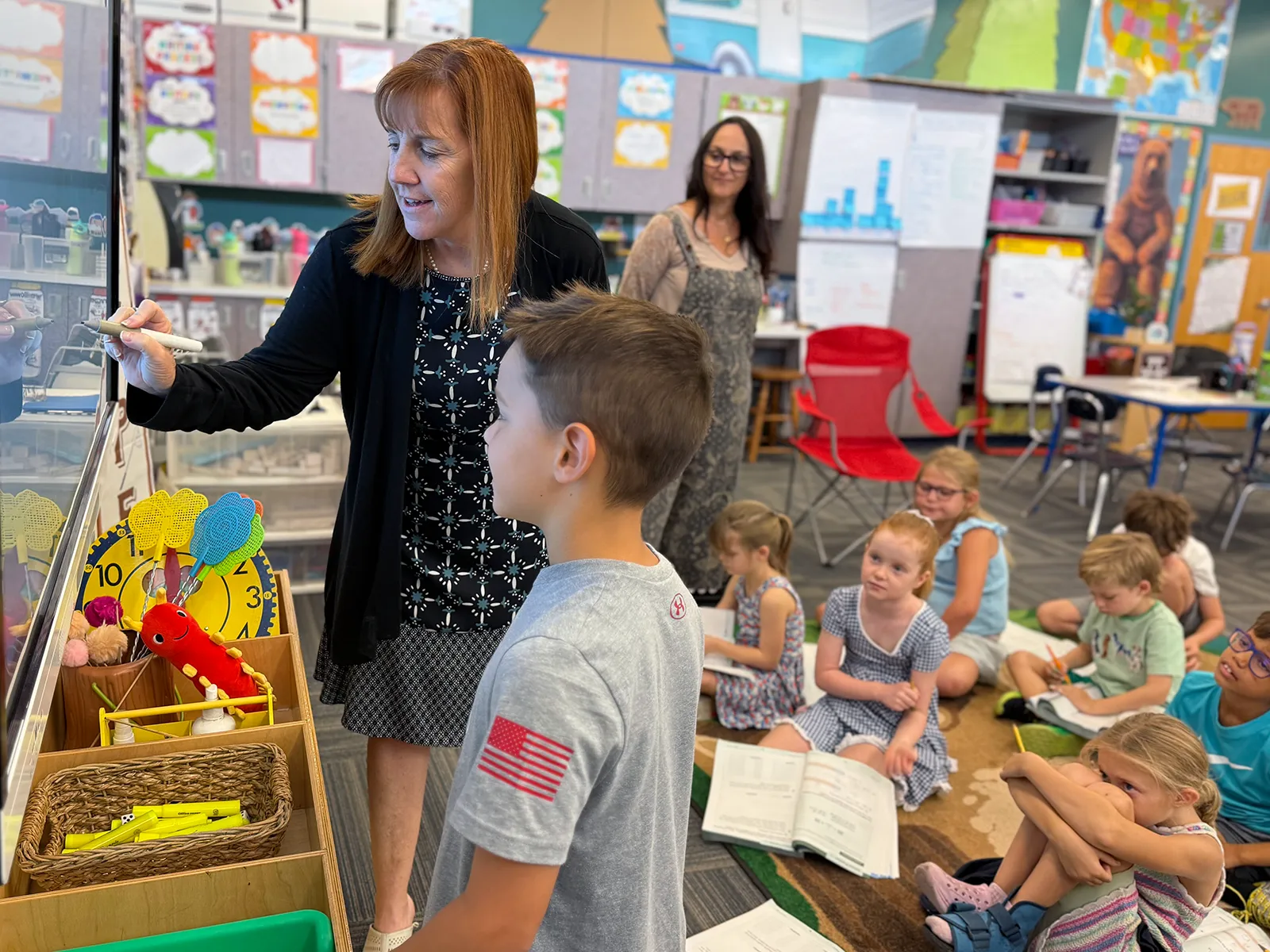
Elementary school is where children begin to see themselves as learners. At Summit, students build essential academic skills while learning to question, create, collaborate, communicate, and solve problems.
Our intentionally small classes allow teachers to know their students well. Direct instruction and guided practice provide the structure children need to master foundational skills, while small-group learning, inquiry, and hands-on experiences give them opportunities to think deeply and develop confidence in their abilities.
Individualized learning
Assessment, observation, flexible grouping, and strong student-teacher relationships help educators understand what each child needs next.
Rigorous academics
Standards-driven instruction develops strong foundations in reading, writing, mathematics, science, and critical thinking.
Learning by doing
Projects, investigations, experiments, thematic learning, and real-world applications make learning meaningful.
Whole-child growth
Confidence, character, creativity, relationships, communication, and emotional growth develop alongside academics.
Strong foundations. Deeper thinking.
Academics designed for understanding.
Strong academic foundations matter. So does knowing how to use them. Summit students learn to read closely, write thoughtfully, reason mathematically, investigate questions, and apply what they know.
Reading foundations
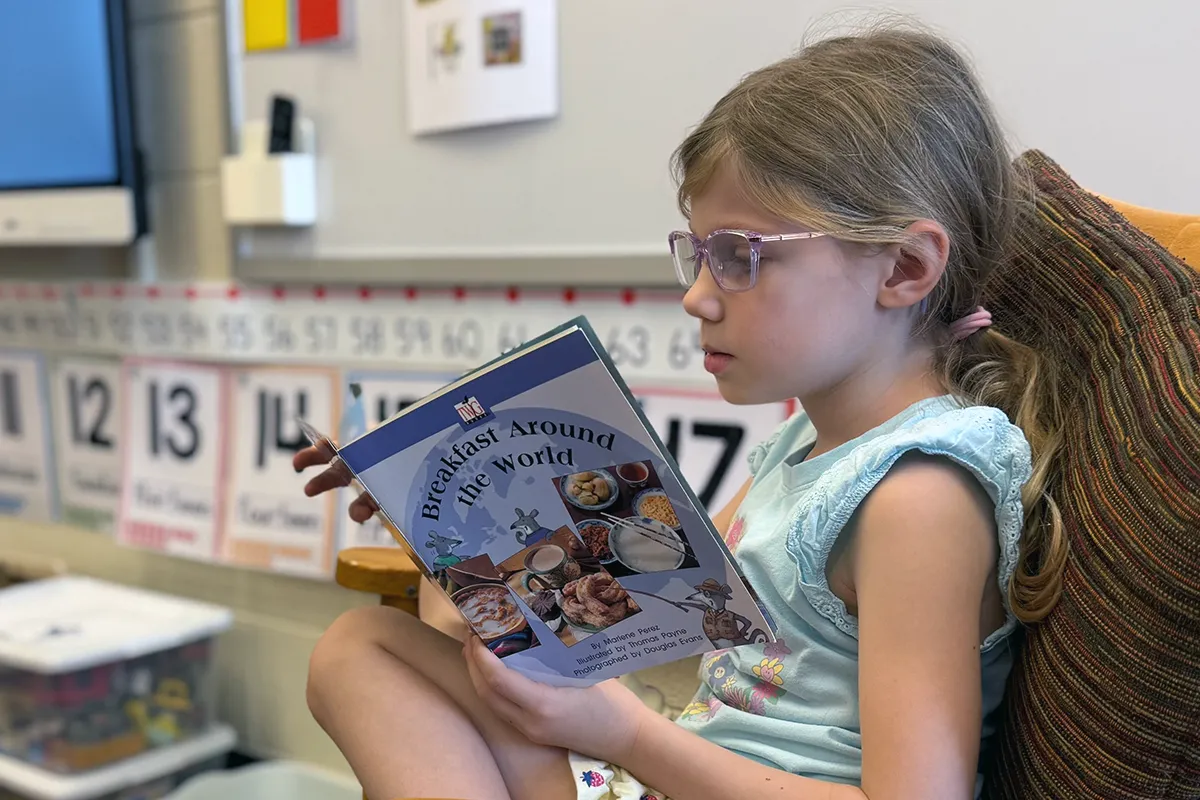
A strong foundation in phonics, vocabulary, fluency, comprehension, and writing helps students grow into confident, capable readers.
Writing & communication
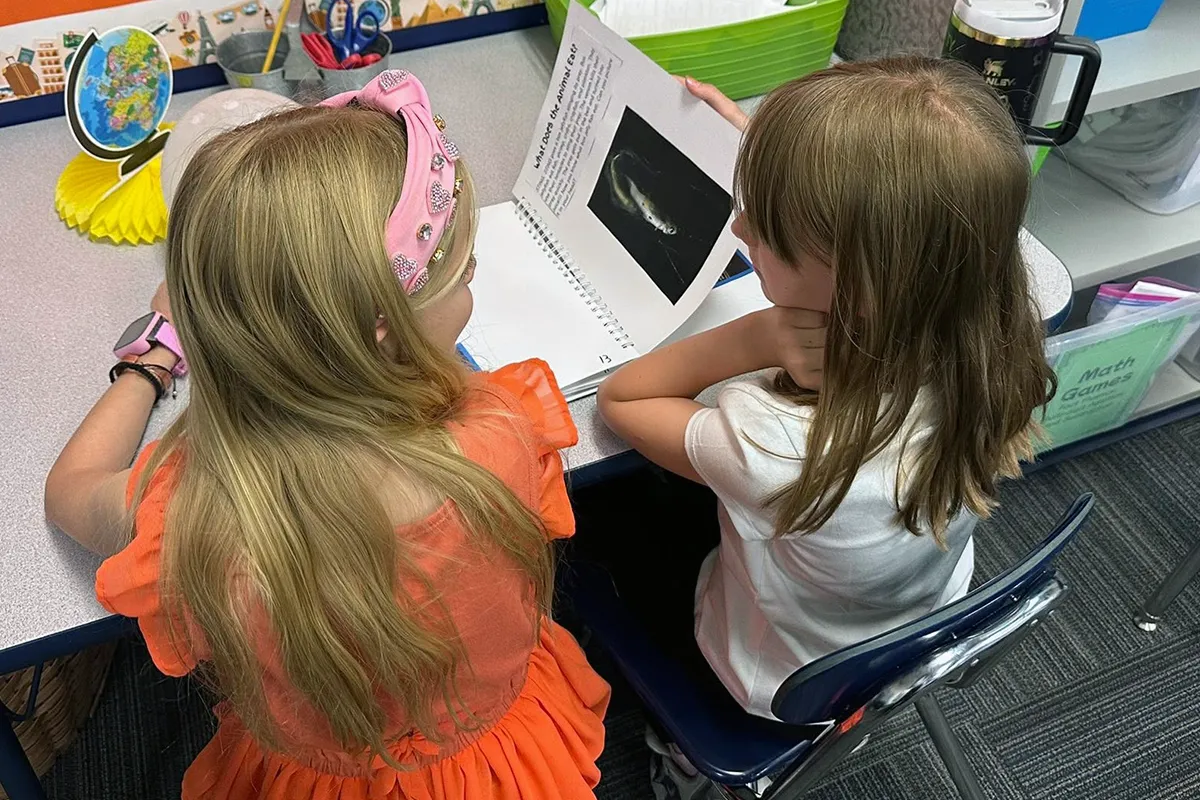
Students learn to organize ideas, build strong sentences, develop written responses, support their thinking, and communicate clearly for different purposes and audiences.
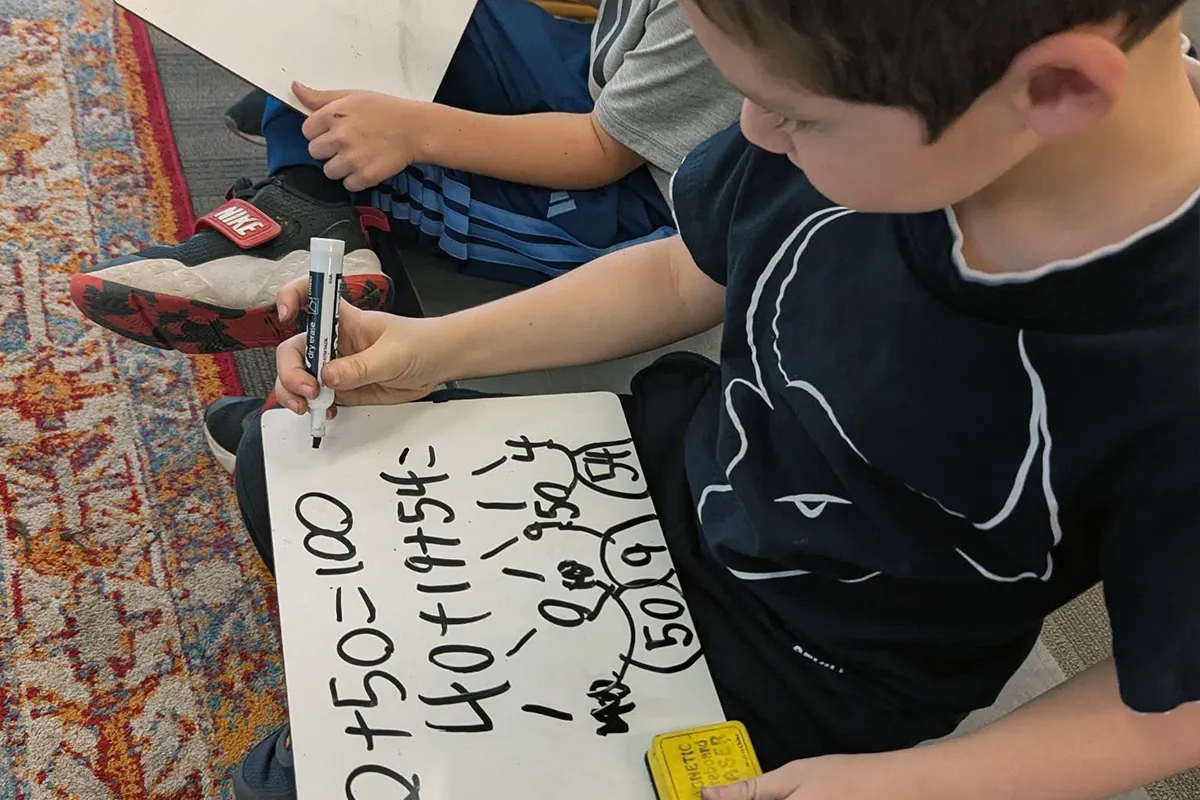
Mathematical thinking
Students build computational skill and conceptual understanding through visual models, problem-solving, discussion, and real-world application.
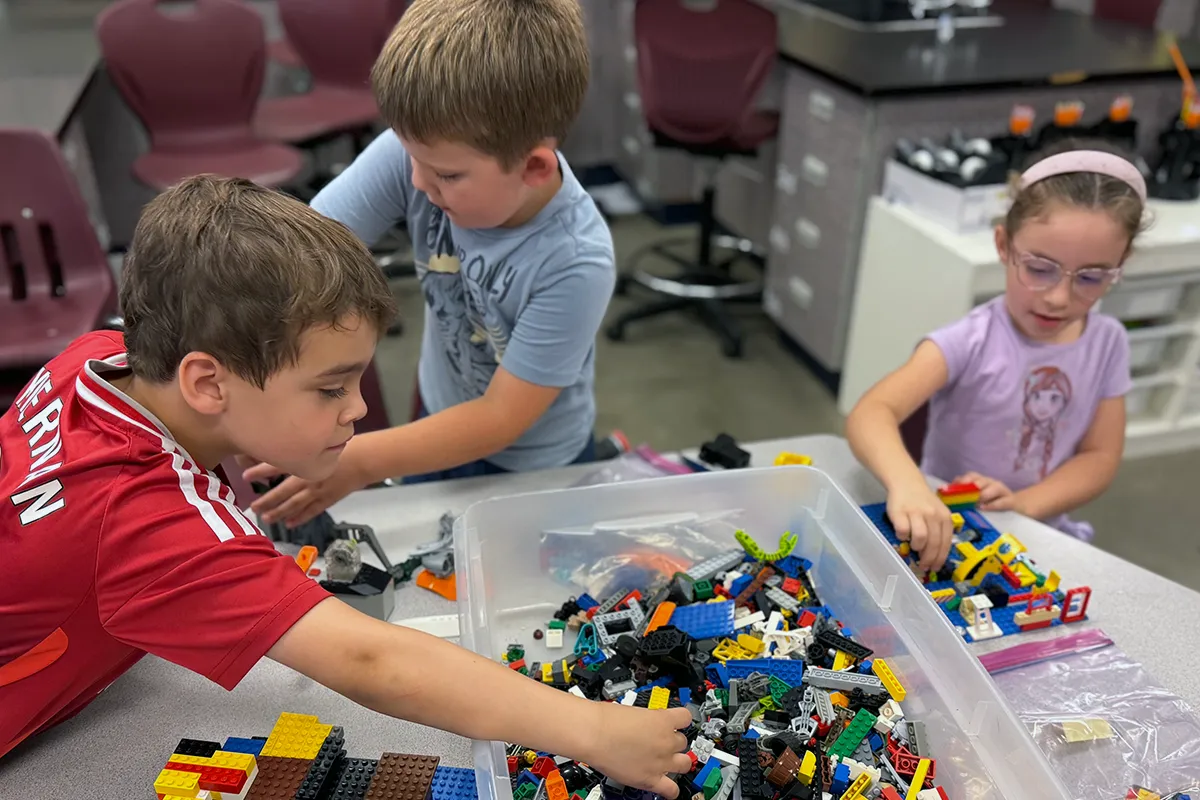
Science & discovery
Experiments, observation, scientific inquiry, STEM challenges, and hands-on investigation encourage students to ask questions, test ideas, and discover why.
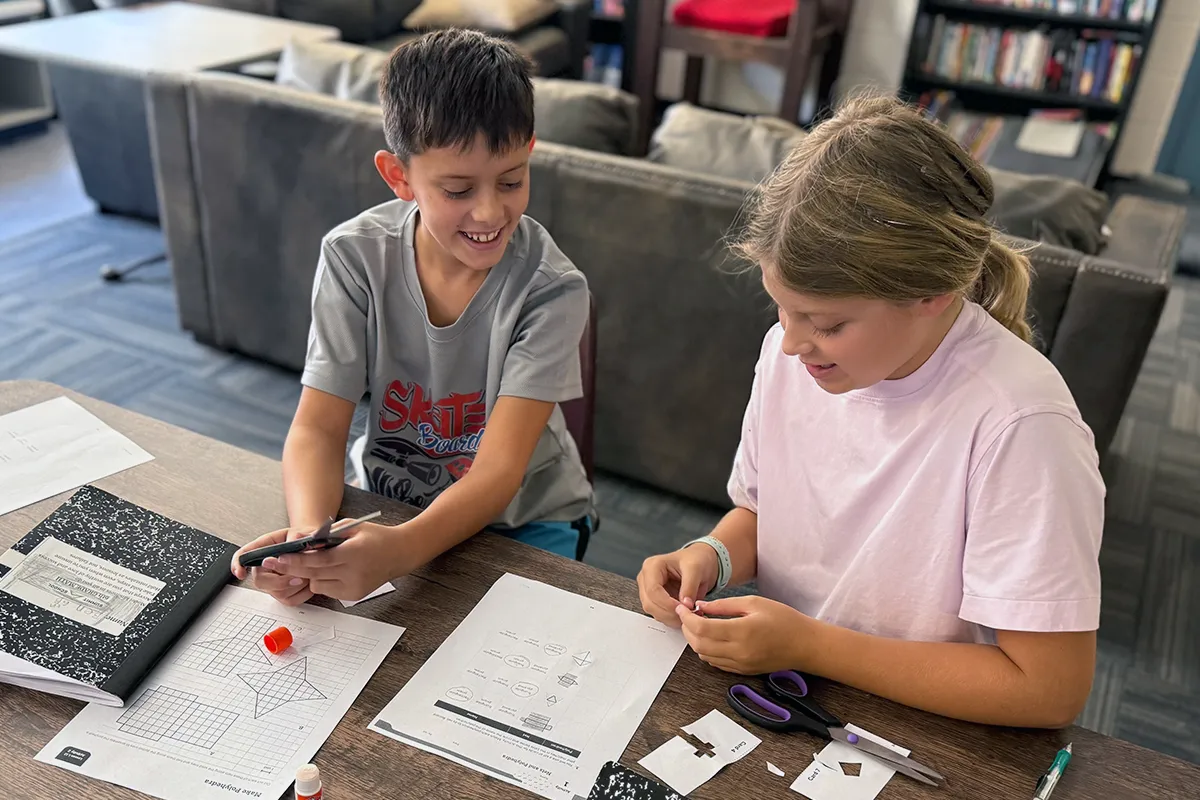
Inquiry & critical thinking
Students learn to ask meaningful questions, evaluate information, make connections, solve problems, and explain the reasoning behind their ideas.
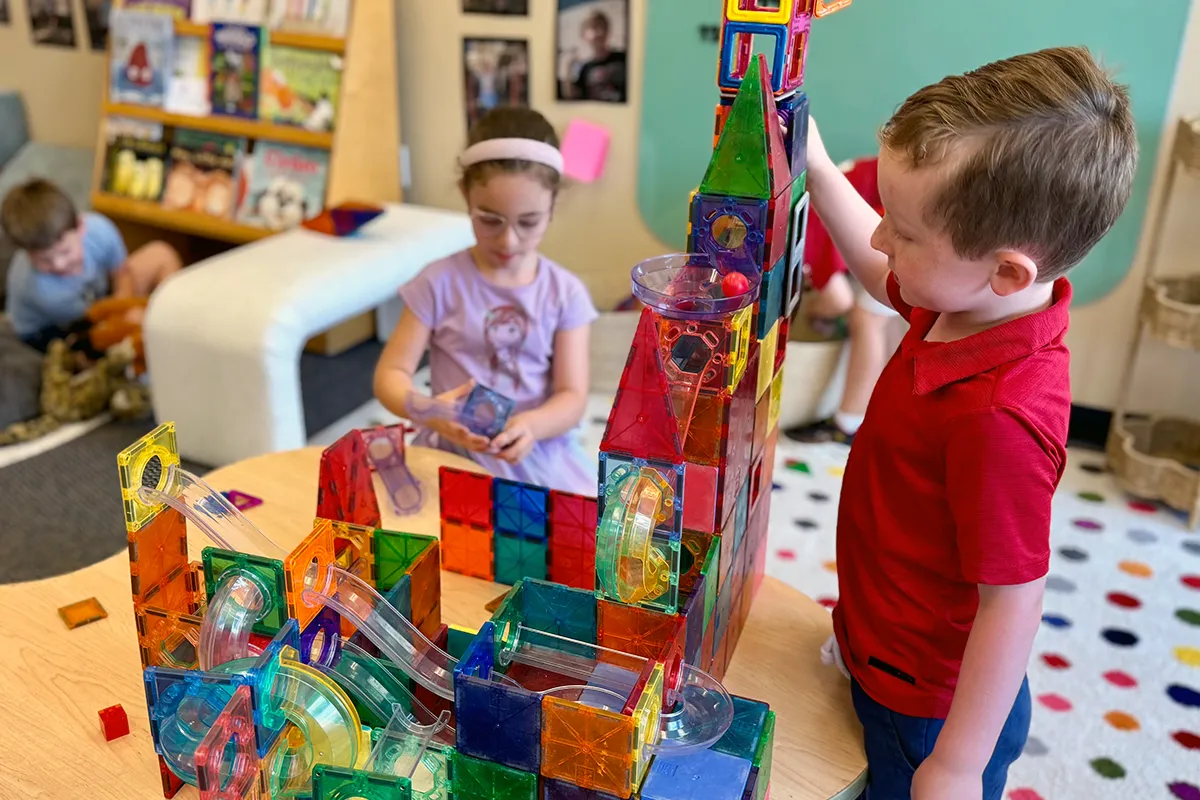
Project-based learning
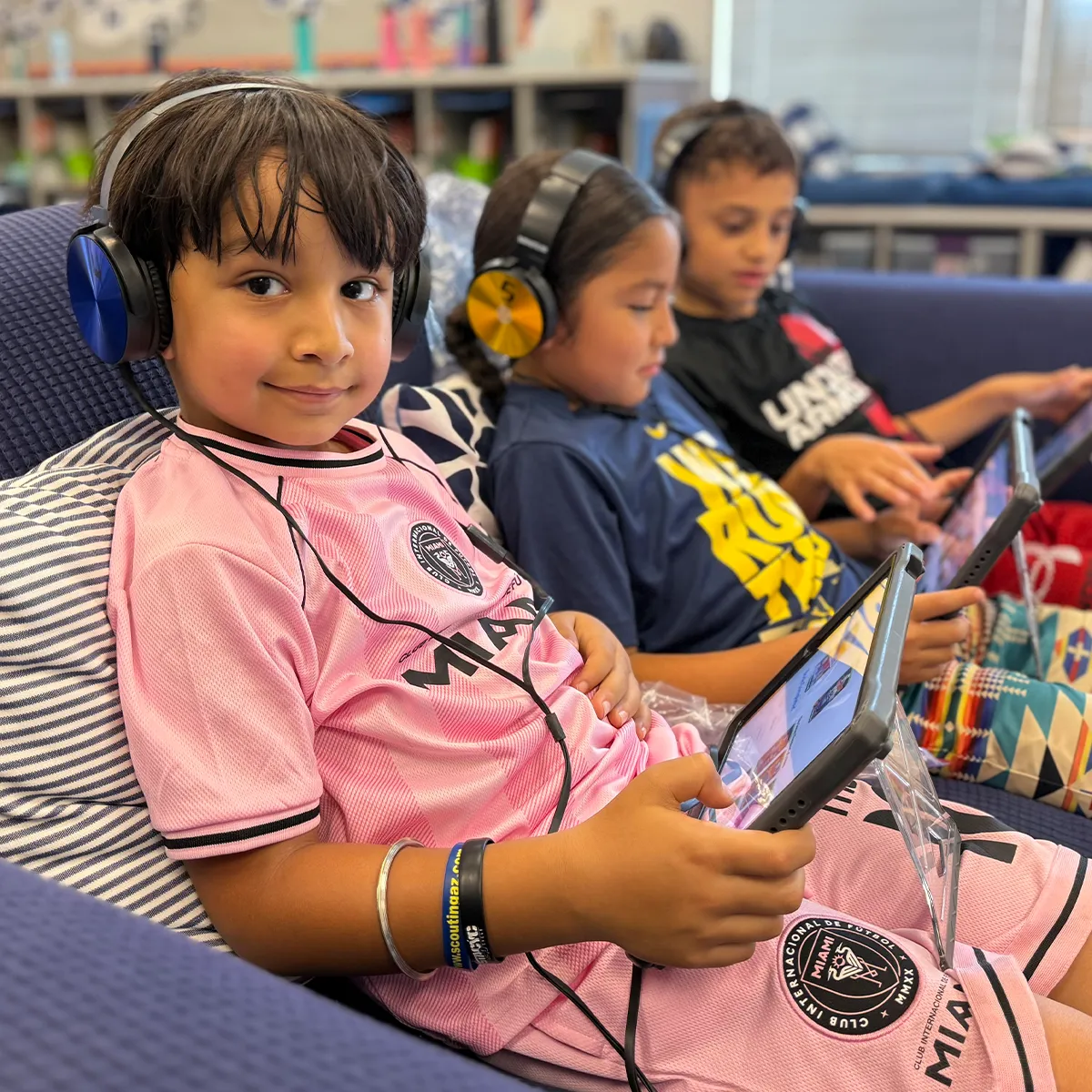
Thematic units and interdisciplinary projects give students opportunities to research, collaborate, design, create, revise, and apply learning to larger questions and real-world challenges.
At Summit, knowing the answer is only part of the work. Students learn to explain their thinking, ask better questions, make connections, and understand why.
Every child has a different starting point.
We use data to understand students, not define them.
The most useful assessment answers a simple question:
What does this student need next?
Summit teachers use multiple measures throughout the year to understand student progress, identify areas that need additional support, recognize readiness for greater challenge, and adjust instruction accordingly.
Assess
Multiple measures give us a complete picture.
Understand
We look beyond scores to understand each student’s needs.
Differentiate
Instruction adapts to meet students where they are.
Support or challenge
Students receive the right level of support and opportunity.
Measure growth
We track progress and adjust as students grow.
The purpose is not testing for testing’s sake. The information helps teachers make better instructional decisions for the students in front of them.
Tools and timeline
Kindergarten-2nd Grade
Assessment tools include DIBELS, literacy benchmarks, M-Class Math, writing assessments, classroom performance, and teacher observation.
3rd-5th Grade
NWEA MAP assessments in Reading, Math, and Science provide additional measures alongside curriculum-based assessments and ongoing literacy monitoring.
Assessment at Summit isn't about a test score.
It's about giving every child the support and opportunities they need to thrive.
Learning with a purpose.
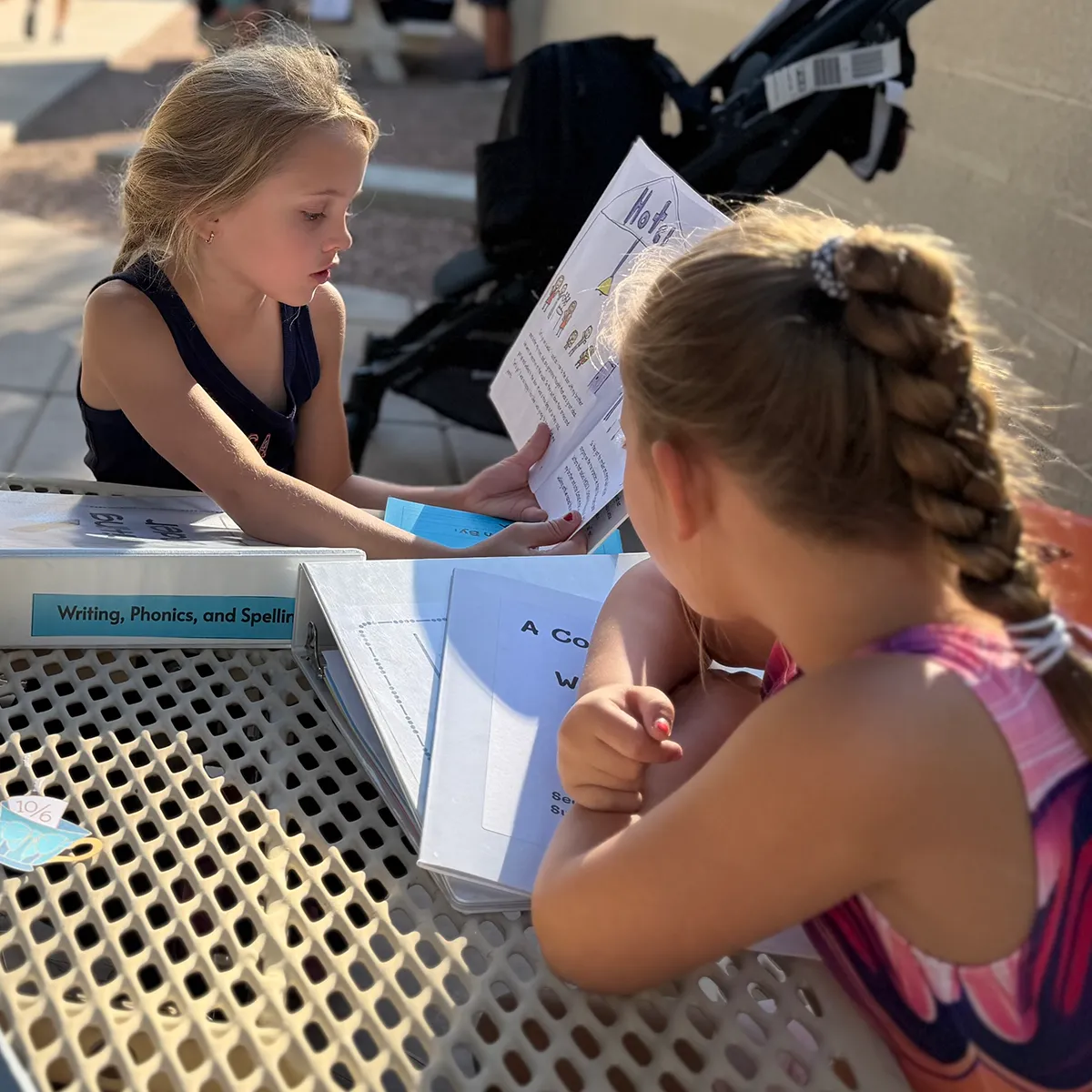
From classroom learning to something they can create and share.
Children understand more when learning connects.
Project-based learning and thematic experiences allow students to make connections across language arts, mathematics, science, social studies, and other disciplines while exploring larger questions and real-world challenges.
Students research, investigate, collaborate, solve problems, design, revise, create, and ultimately demonstrate what they have learned.
Ask
Investigate
Collaborate
Create
Present
Grade-level experiences give students opportunities to share projects, findings, displays, and demonstrations with authentic audiences throughout the Summit community.
Learning becomes more than something completed for a grade. It becomes something students can explain, apply, and take pride in.
A school day with more in it.
More ways to discover what they love.
A well-rounded education isn’t something Summit students have to wait until middle school to experience.
Elementary students learn with specialist educators across a broad range of disciplines that complement core academics and give children opportunities to discover new interests, develop talents, and build confidence.
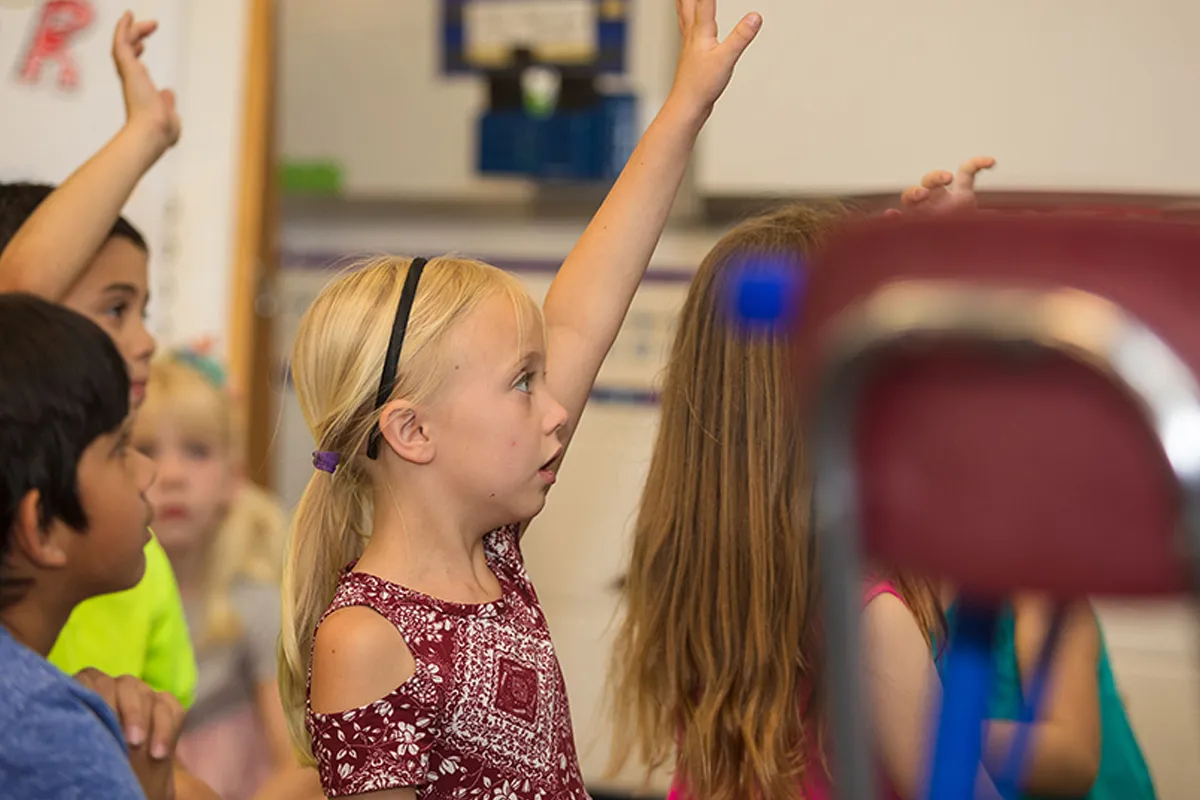
Spanish
Language, conversation, listening, and cultural exploration.
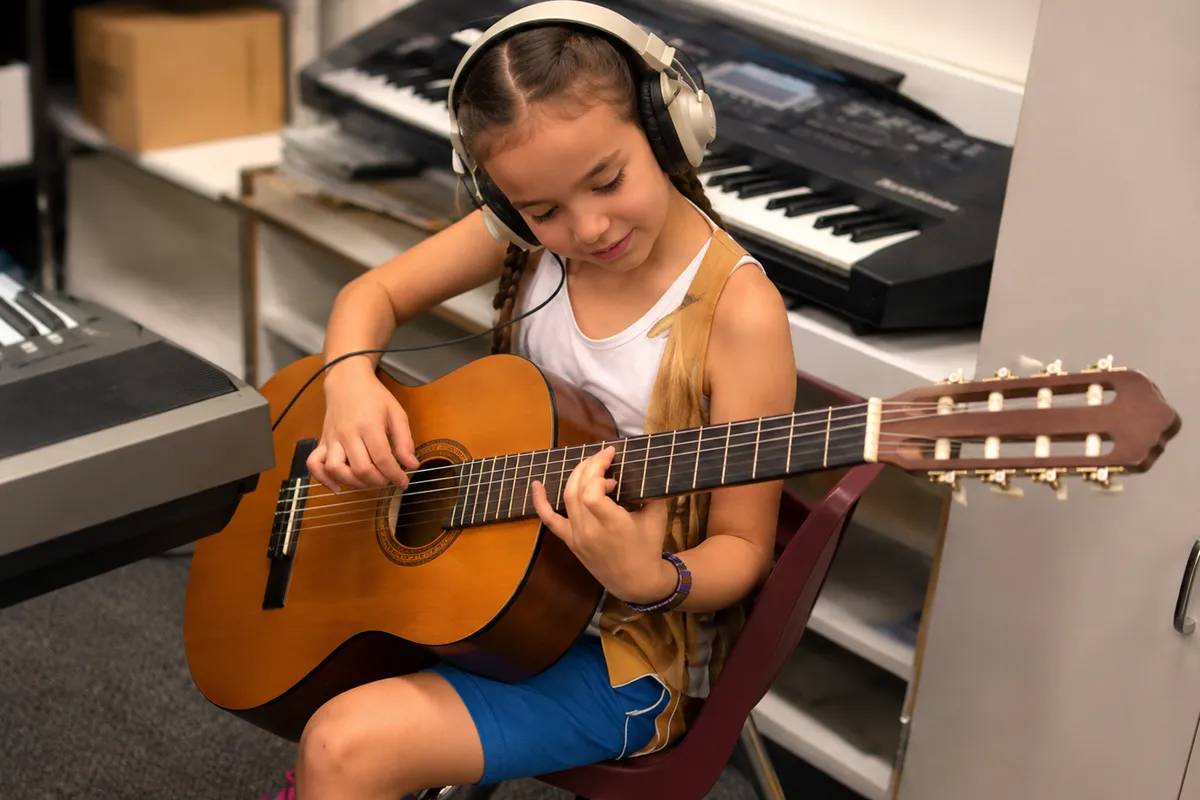
Suzuki guitar
Technique, rhythm, listening, focus, perseverance, and musicality.
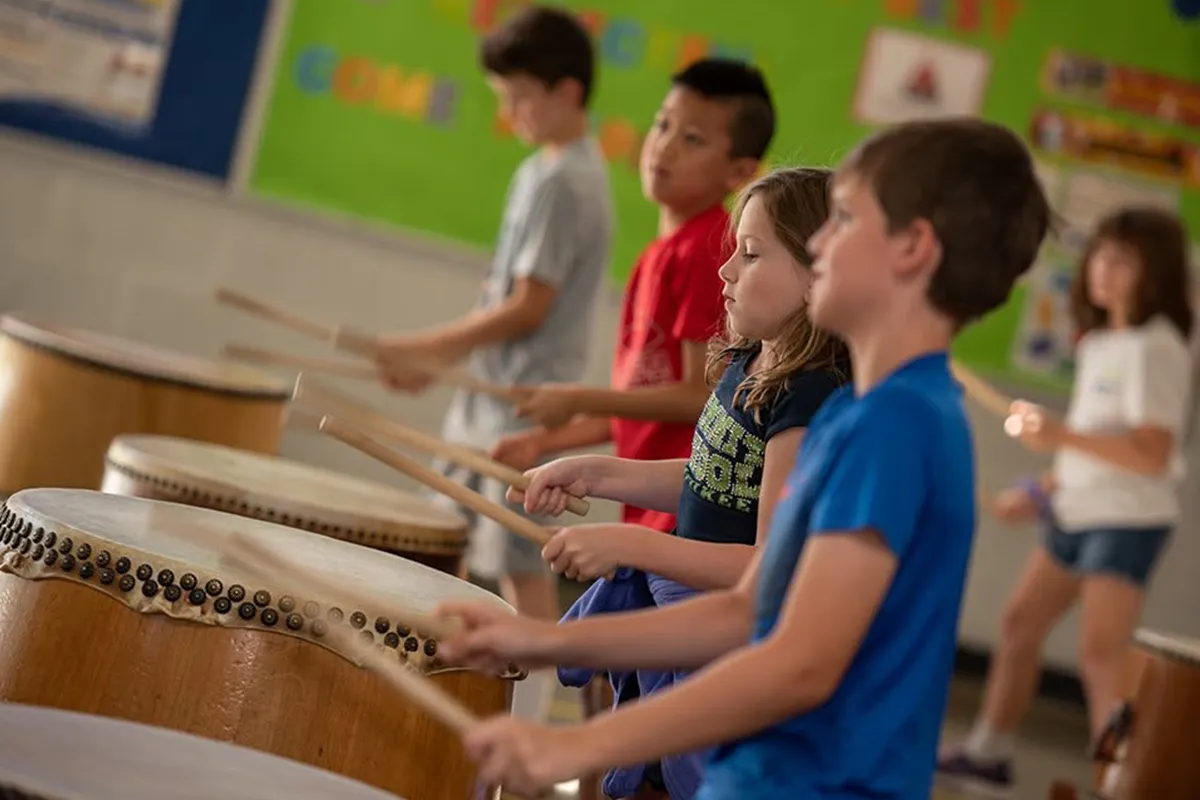
Music
Singing, instruments, rhythm, melody, movement, and performance.
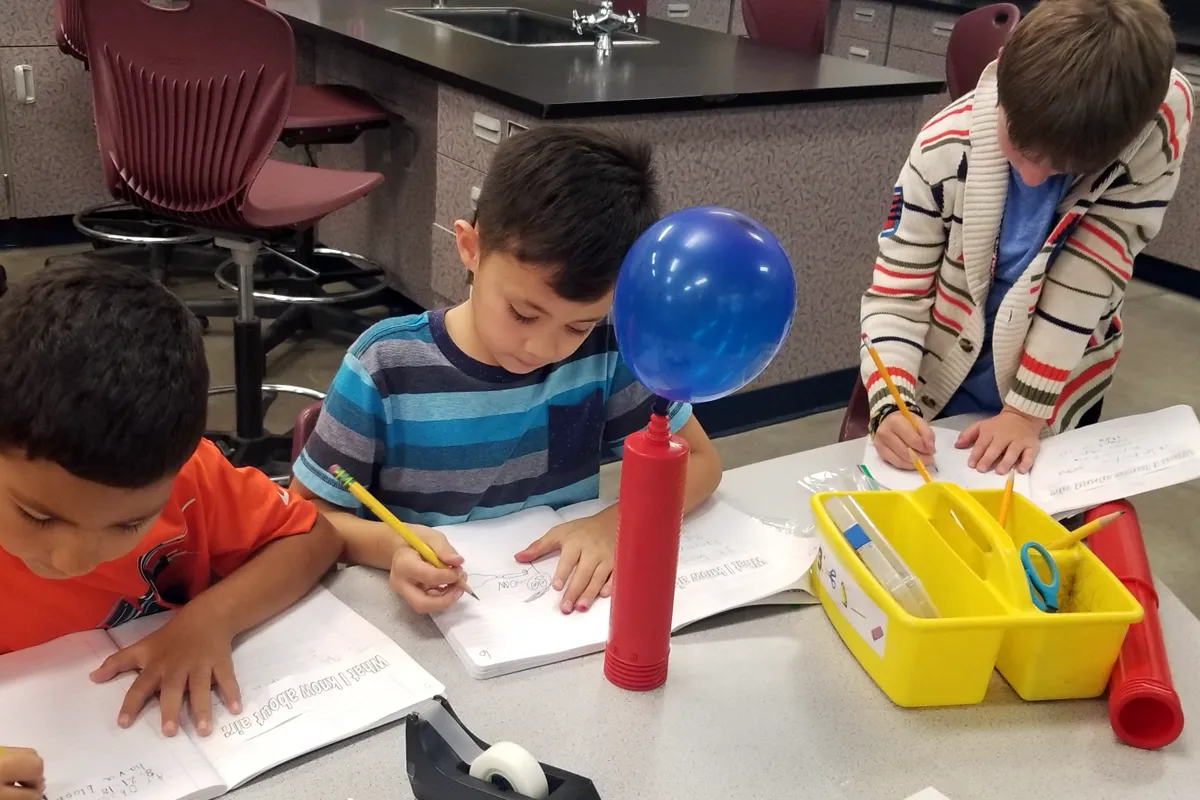
Science
Experiments, inquiry, STEM challenges, observation, and discovery.
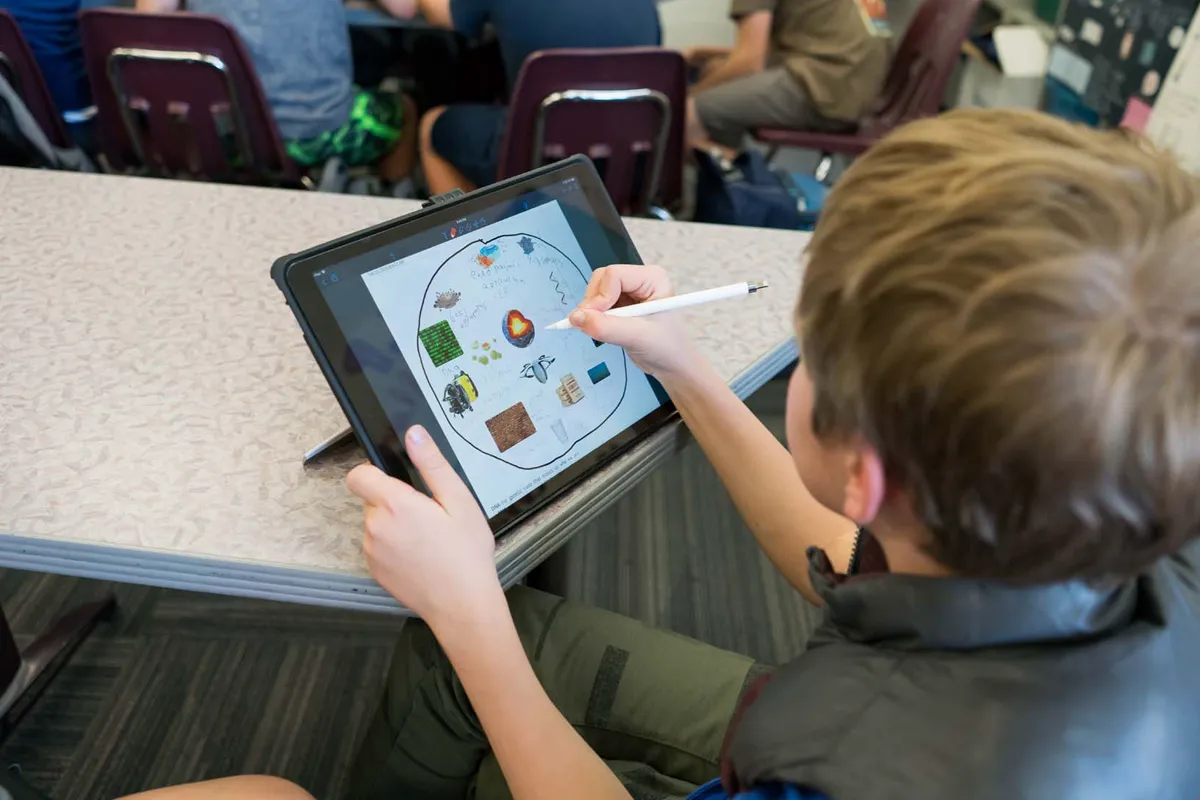
Technology
Coding, computers, digital tools, computational thinking, and 3-D design.
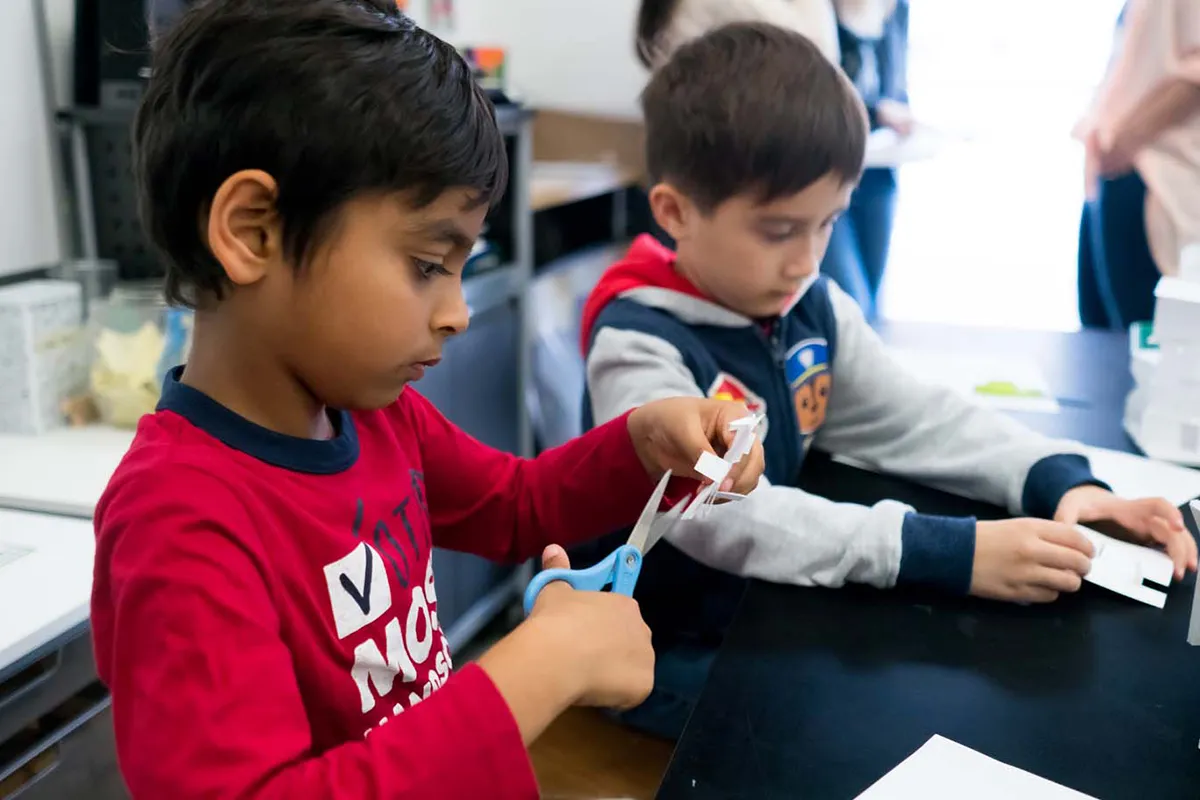
Art
Drawing, painting, sculpture, mixed media, creativity, and self-expression.
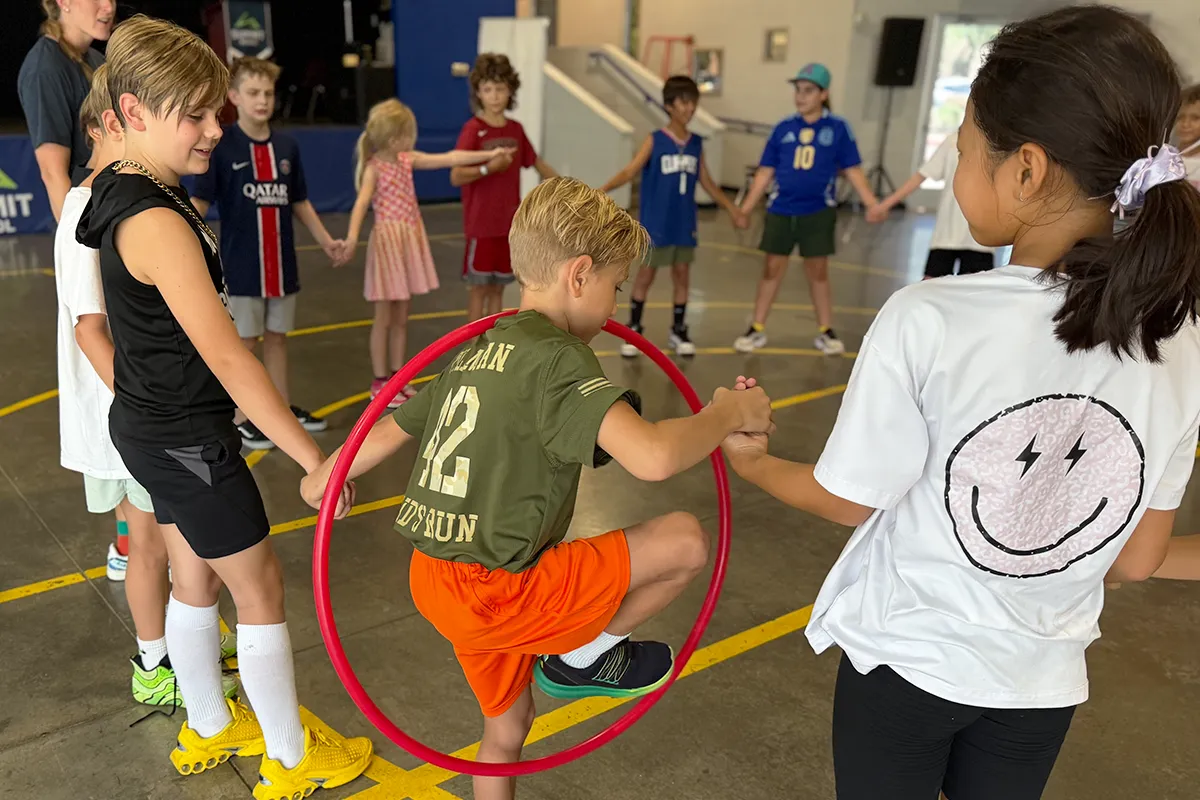
Physical education
Movement, fitness, coordination, teamwork, and sportsmanship.
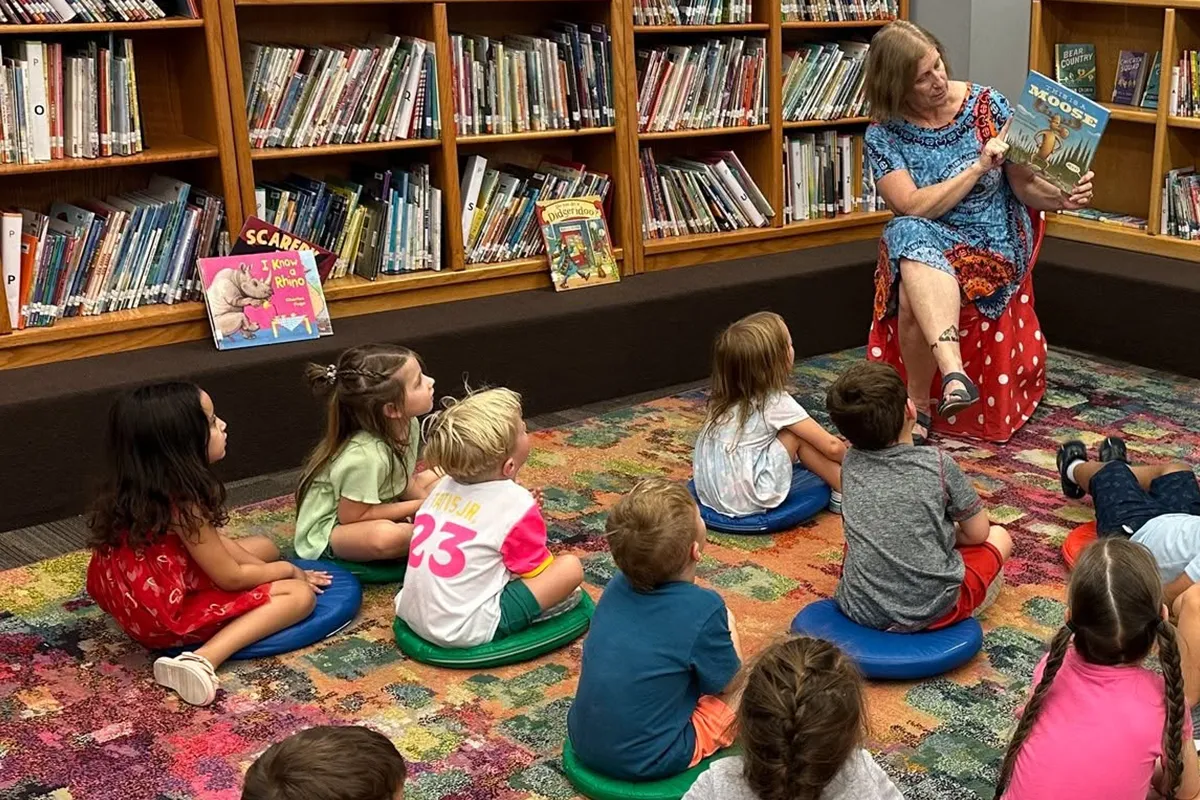
Library
Literature, research skills, book discovery, and independent reading.
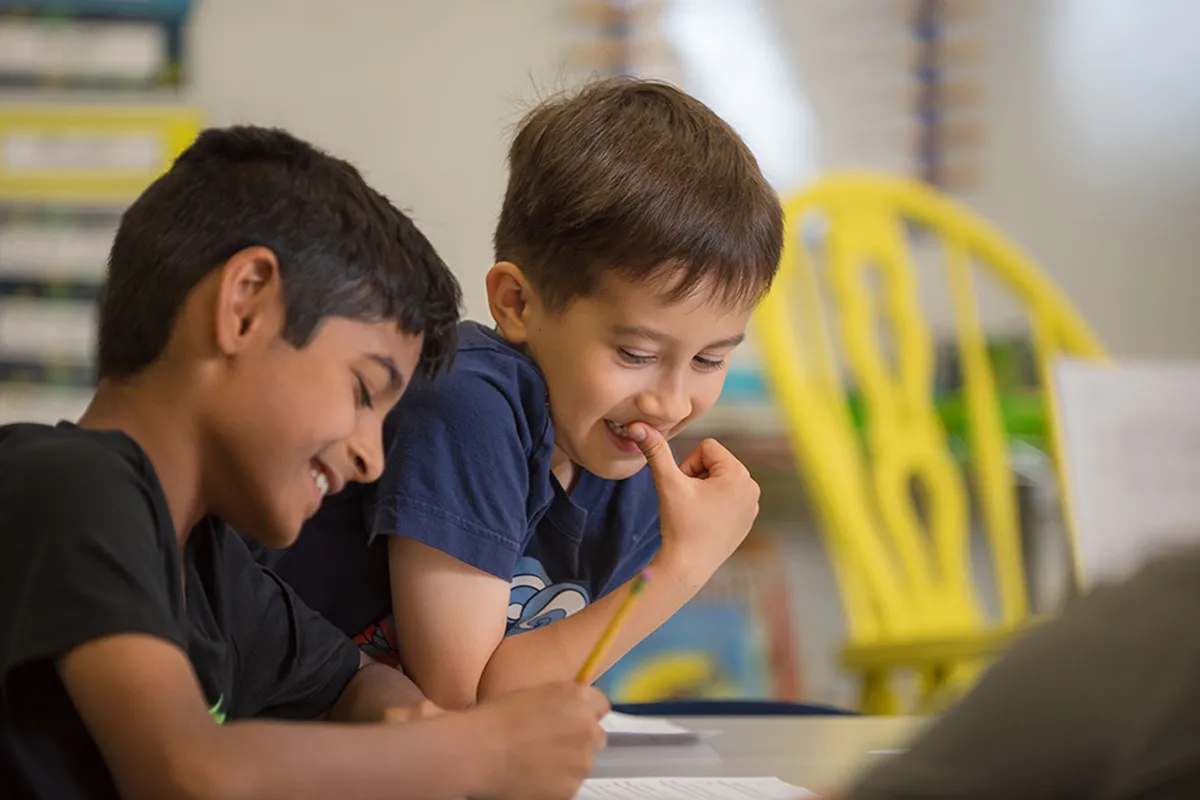
Social-emotional learning
Self-awareness, emotional regulation, empathy, relationships, and responsible decision-making.
Finding their voice.
Confidence grows through practice.
Throughout the elementary years, students have opportunities to present their learning during Morning Meetings, classroom projects, and culminating experiences.
They share projects, explain ideas, reflect on experiences, and celebrate what they’ve learned in front of peers, educators, families, and the broader Summit community.
With each experience, students practice organizing their thoughts, communicating clearly, engaging an audience, and becoming more comfortable sharing their ideas.
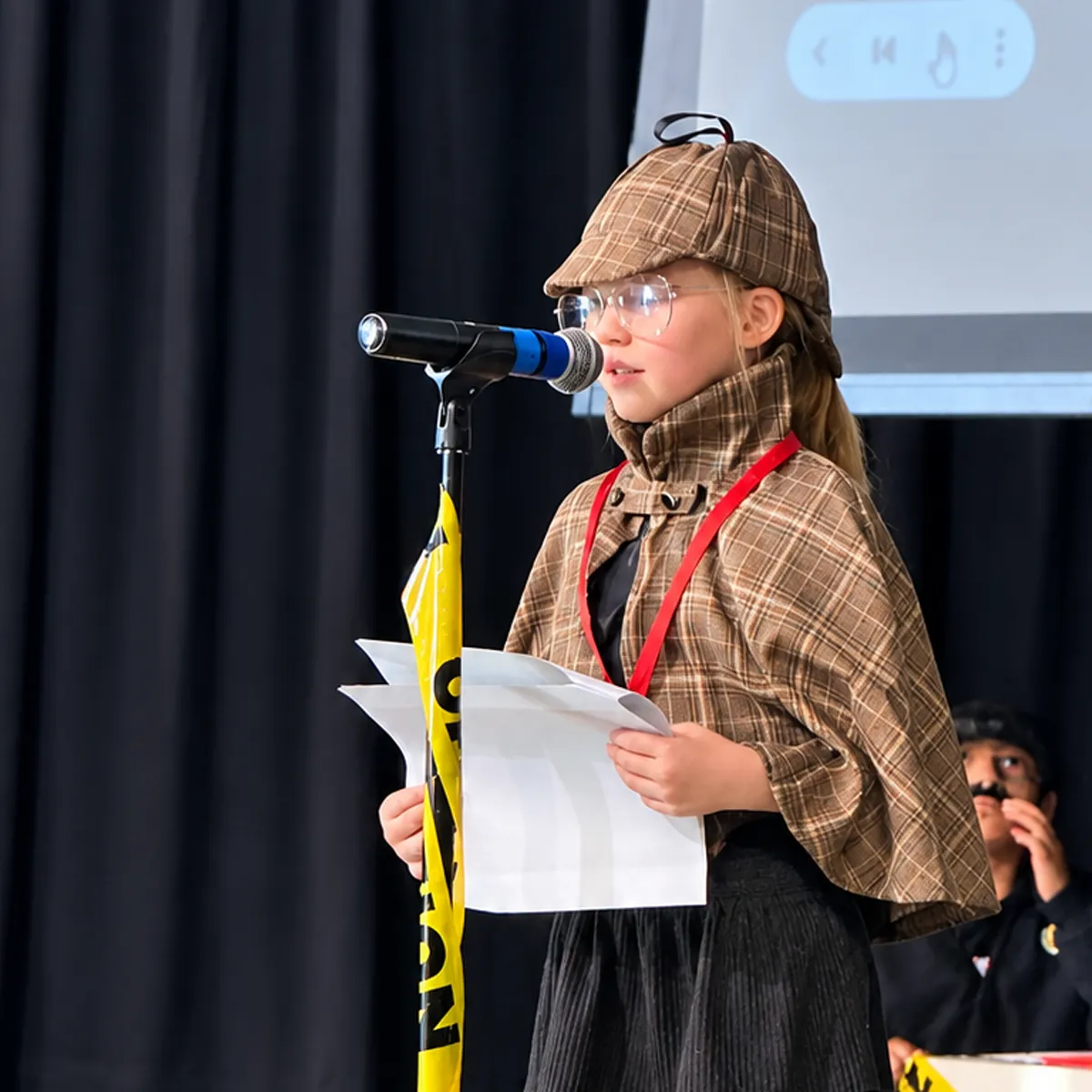
By the time public speaking really matters, it isn’t new.
Who they become matters too.
Positive. Engaged. Accountable. Kind.
Academic growth is only part of an elementary education. PEAK to Achieve is Summit’s schoolwide framework for creating a positive culture and helping students develop habits that support success in the classroom, in relationships, and throughout life.
Positive
Recognize strengths, approach challenges constructively, and contribute to a supportive environment.
Engaged
Participate actively, ask questions, contribute ideas, and take ownership of learning.
Accountable
Take responsibility for choices, actions, commitments, and learning.
Kind
Practice empathy, respect, compassion, and care for others.
PEAK isn’t limited to an occasional character lesson. Its shared language and expectations extend throughout classrooms and the larger Summit community.
The right level of challenge.
Meeting students where they are.
Moving them forward.
As students grow, their academic needs become increasingly individual.
Beginning in fifth grade, Summit’s Math Pathway uses multiple measures to determine the learning environment and level of challenge that best fits each student.
Assessment data, classroom performance, teacher insight, demonstrated readiness, and work habits all contribute to placement decisions.
The goal isn’t acceleration simply for the sake of being ahead.
Placement remains responsive as students grow and their needs change.
Rigor with purpose.
Students encounter mathematics that challenges them appropriately while developing deep conceptual understanding, confidence, and the foundations necessary for future success.
Part of something bigger.
Elementary school isn’t an island.
Summit elementary students are part of a Preschool–8th Grade community, sharing traditions, Morning Meetings, celebrations, and campus experiences with students across grade levels.
As they grow, something special begins to change. Children who once looked up to older students increasingly become the students younger children look up to, building confidence, responsibility, and leadership along the way.
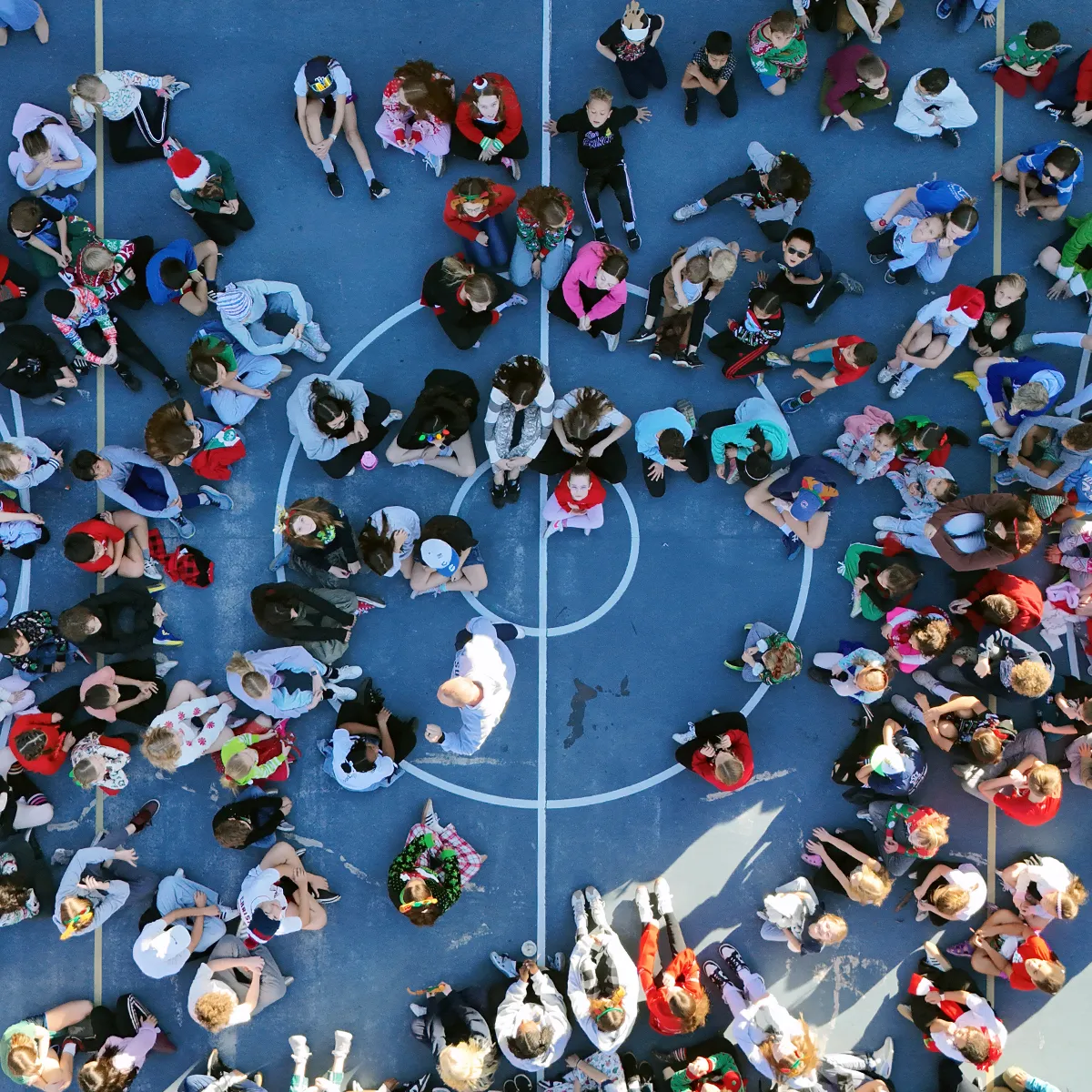
And when they’re ready for middle school…
The campus is still home. The relationships, culture, and expectations are familiar, while independence, academics, activities, athletics, and leadership opportunities continue to expand.
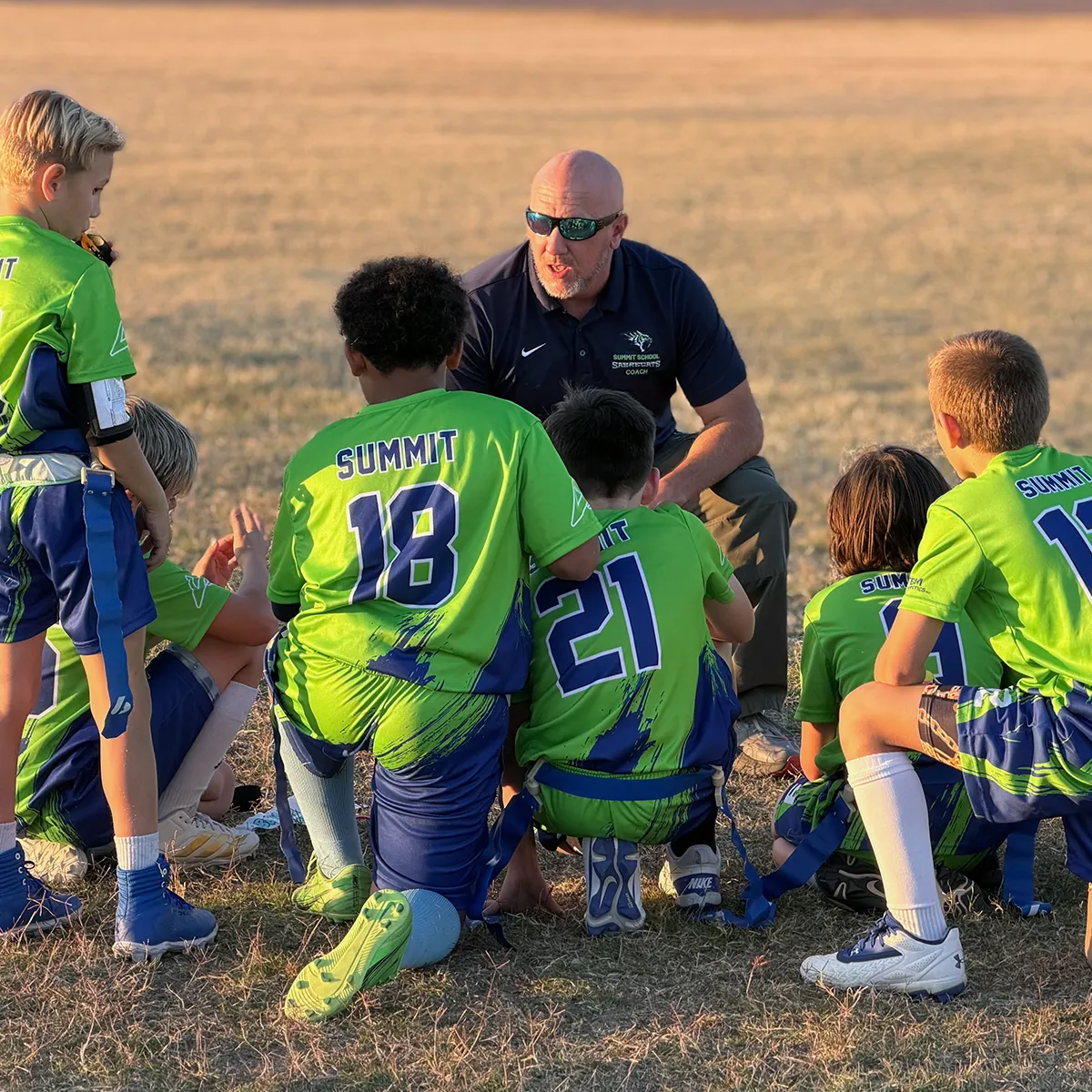
Ready to play.
Opportunities to get moving, play, and compete.
Athletic opportunities at Summit begin before competitive school sports. Younger elementary students can often explore activities such as cheer, golf, tennis, soccer, and more through after-school enrichment programs.
Beginning in fourth grade, students can also participate in Summit’s competitive athletic program, where the focus extends beyond the scoreboard to skill development, teamwork, sportsmanship, discipline, resilience, leadership, and school pride.
Hear from Summit families.
Why families choose Summit.
Excellence built on high standards.
What Cognia accreditation means for Summit families.

Cognia accreditation provides independent validation that Summit meets rigorous, research-based standards for school quality and is committed to continuous improvement.
The accreditation process looks broadly at the educational experience, including a school’s culture of learning, leadership, student engagement, and student growth. For families, it provides an added measure of confidence that Summit’s Kindergarten–8th Grade program is evaluated against recognized standards for high-quality education.
Research-Based Standards
Independently evaluated
Continuous improvement
Elementary school FAQ.
Questions families ask about Summit Elementary.
What grades are included in Summit Elementary School?
Summit Elementary serves students in Kindergarten through fifth grade.
What curriculum does Summit use for elementary students?
Summit uses a standards-driven curriculum that combines explicit instruction, guided practice, inquiry, project-based learning, collaboration, and hands-on application. Curriculum resources vary by subject and grade level and are selected to support strong academic foundations and deeper understanding.
How does Summit teach reading and phonics?
Summit uses a structured literacy approach that includes explicit, systematic instruction in foundational reading skills. Younger students develop phonemic awareness, phonics, spelling and word study, vocabulary, fluency, comprehension, and writing skills, with flexible small groups providing targeted instruction.
How is math taught at Summit?
Summit’s mathematics program emphasizes both procedural skill and conceptual understanding. Students solve problems, use visual models, discuss mathematical ideas, explain their reasoning, and apply concepts in different contexts. Desmos Math serves as a core instructional resource.
How does Summit support students who need additional help?
Small classes, flexible grouping, ongoing assessment, teacher observation, and targeted instruction allow educators to identify areas where students may benefit from additional support and respond to those needs.
How does Summit challenge advanced students?
Teachers use assessment data, classroom performance, observation, flexible grouping, and differentiated instruction to provide appropriate challenge. Beginning in fifth grade, Summit’s Math Pathway provides additional differentiation based on demonstrated readiness and multiple measures.
What specials do elementary students take?
Elementary students have opportunities across Spanish, music, Suzuki Guitar in the early grades, science, technology, art, physical education, library, and social-emotional learning.
Do elementary students learn Spanish?
Yes. Spanish is part of Summit’s elementary specialist program and introduces students to language, listening, conversation, and cultural learning.
Does Summit offer technology, coding, and robotics?
Technology and computational thinking are incorporated into the elementary experience, with students developing skills using computers, digital tools, coding, and 3-D design. Additional robotics and technology opportunities expand as students progress through Summit.
When can students participate in competitive athletics?
Competitive Summit athletics begin in fourth grade.
How does Summit assess student progress?
Teachers use multiple measures rather than relying on a single test. These include classroom performance, teacher observation, curriculum-based assessments, literacy and math measures, writing assessments, and NWEA MAP assessments in the upper elementary grades.
What is PEAK to Achieve?
PEAK stands for Positive, Engaged, Accountable, and Kind. It provides shared expectations and language that help shape Summit’s positive school culture across classrooms and campus life.
Does Summit offer before-and-after school care?
Yes. Summit offers Extended Day programming for families who need care beyond the regular school day. Extended Day provides children with a safe, supportive environment before and after school and is available for an additional fee.
Visit our Extended Day page to learn more.
How much is elementary tuition? Is financial assistance available?
Tuition is established annually. Summit also offers need-based tuition assistance.
Visit our Tuition & Affordability page for current tuition, fees, payment options, and available financial resources, or contact Admissions for assistance.
Can my child enter Summit during elementary school?
Yes. Students do not need to begin at Summit in preschool or Kindergarten. Families may apply for elementary grades based on current availability and admissions requirements.
What happens after fifth grade?
Summit students can continue into Summit Middle School for grades six through eight, remaining within the same Preschool–8 community while gaining greater independence, academic challenge, leadership opportunities, activities, and athletics.
Come experience elementary at Summit.
See what learning looks like when children are known, challenged, and excited to be here.
Choosing an elementary school means choosing the environment where your child will build more than academic foundations.
It’s where they begin developing confidence, independence, friendships, interests, communication skills, and the habits they will carry into adolescence.
Come see Summit classrooms in action, meet our educators, and experience the community for yourself.