
Preschool–8th grade
Private school academics in Ahwatukee
Learning that grows with them.
From a child's first discoveries in preschool to the independence and deeper thinking of middle school, academics at Summit are designed to evolve as students do.
Strong academics, individualized instruction, hands-on learning, meaningful relationships, and opportunities to explore give students the foundation to succeed at every stage and the confidence to take on what comes next.
Cognia Accredited
~16
Average Class Size
~9:1
Student-Faculty
Ratio
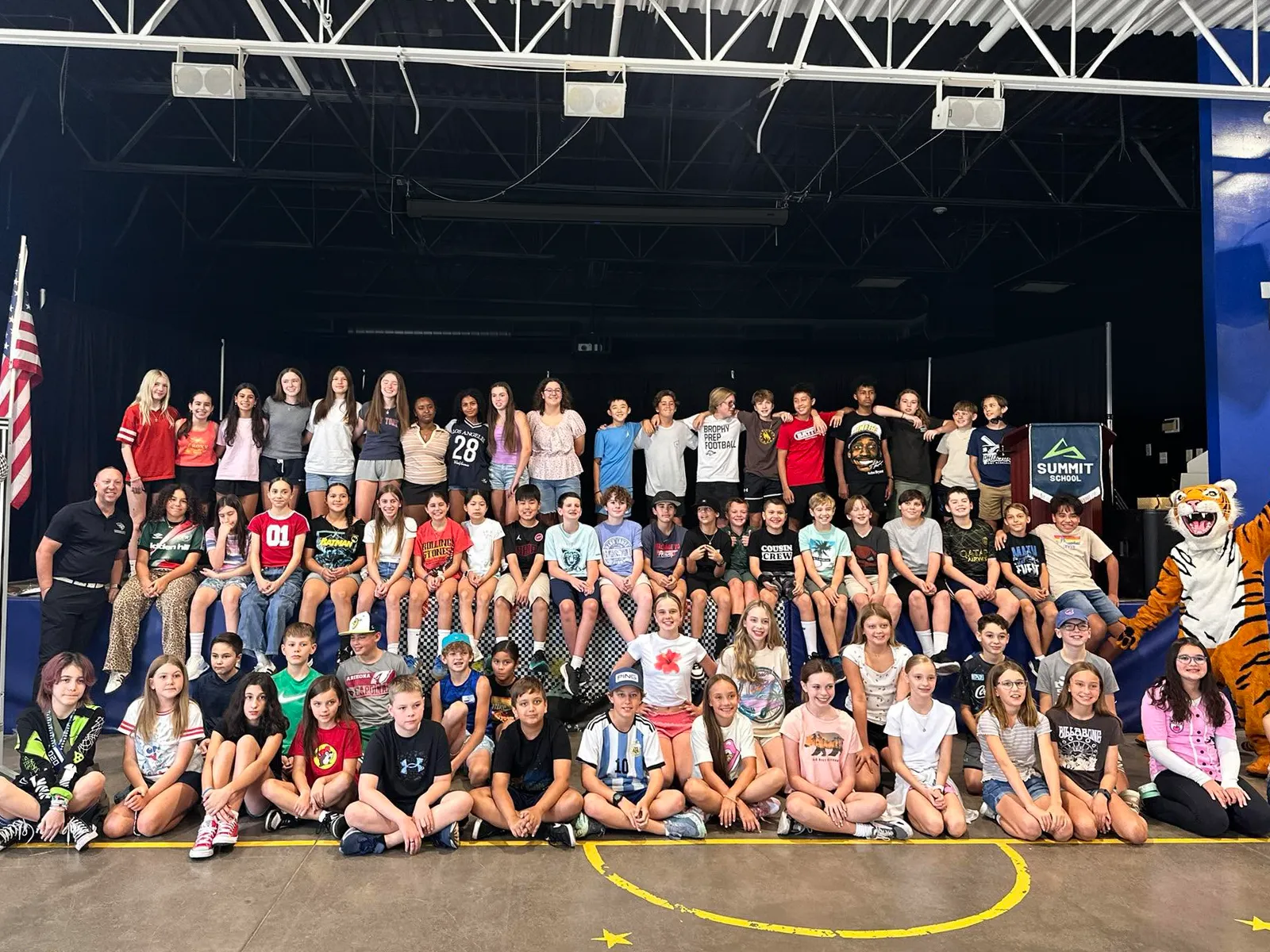
Preschool-8th Grade Community
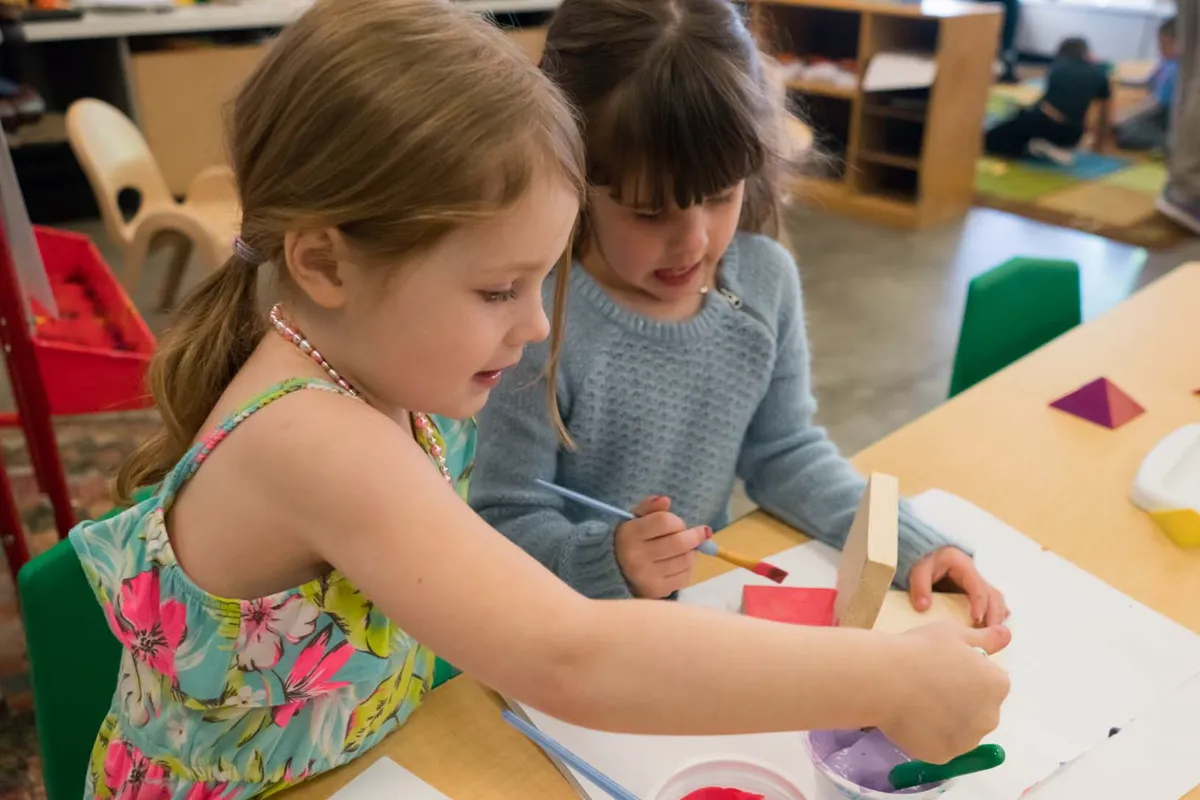
Preschool
(NAEYC ACCREDITED)
Curiosity starts here. Play-based learning, exploration, and social-emotional development build the foundation for a lifelong love of learning.
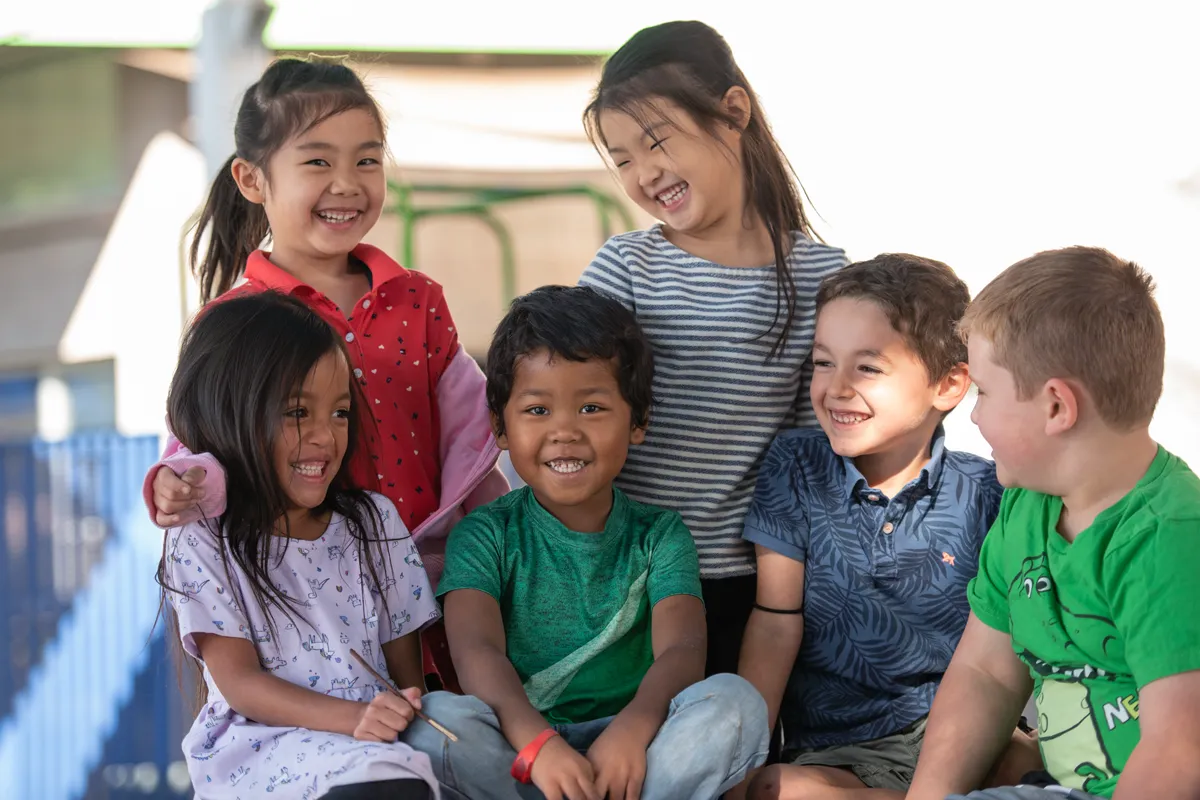
Elementary School
(Kindergarten-5th Grade)
Rigorous academics, specialist instruction, and individualized support help students develop knowledge, confidence, curiosity, and independence.
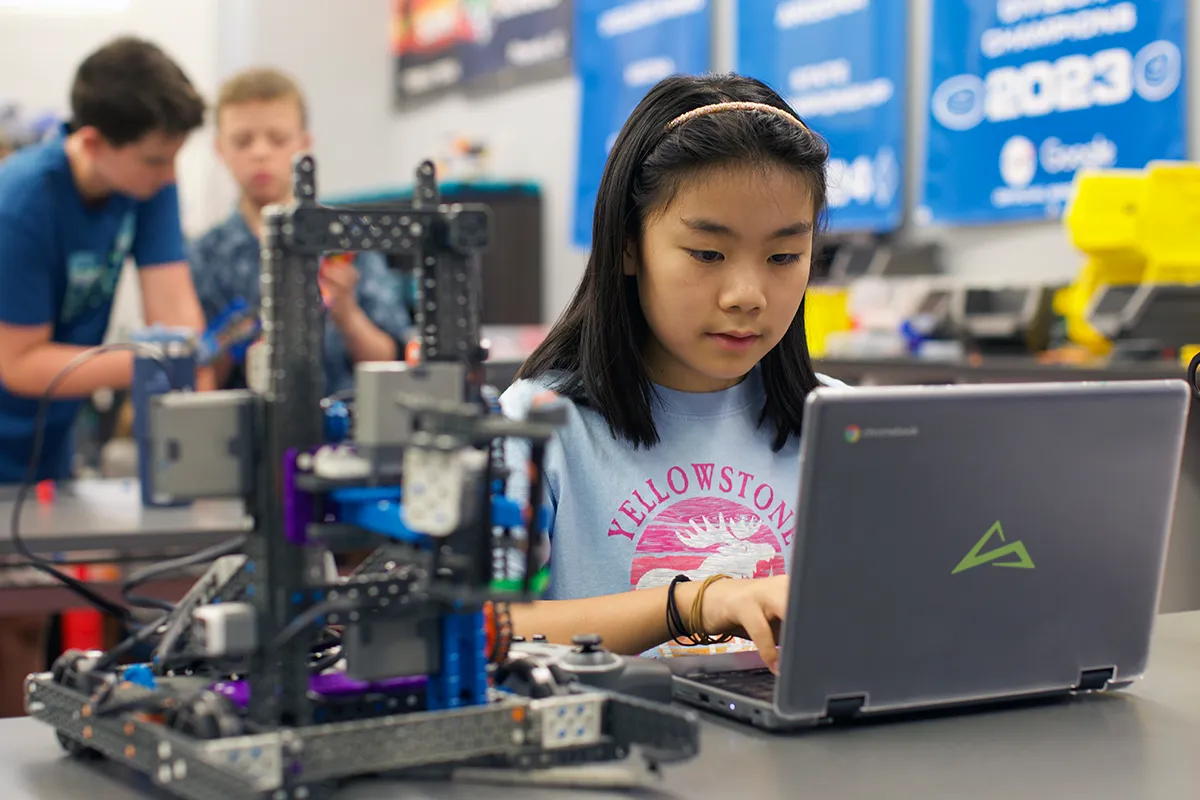
Middle School
(GRADES 6-8)
Students deepen academic skills while developing independence, leadership, collaboration, and the confidence to succeed in high school and beyond.
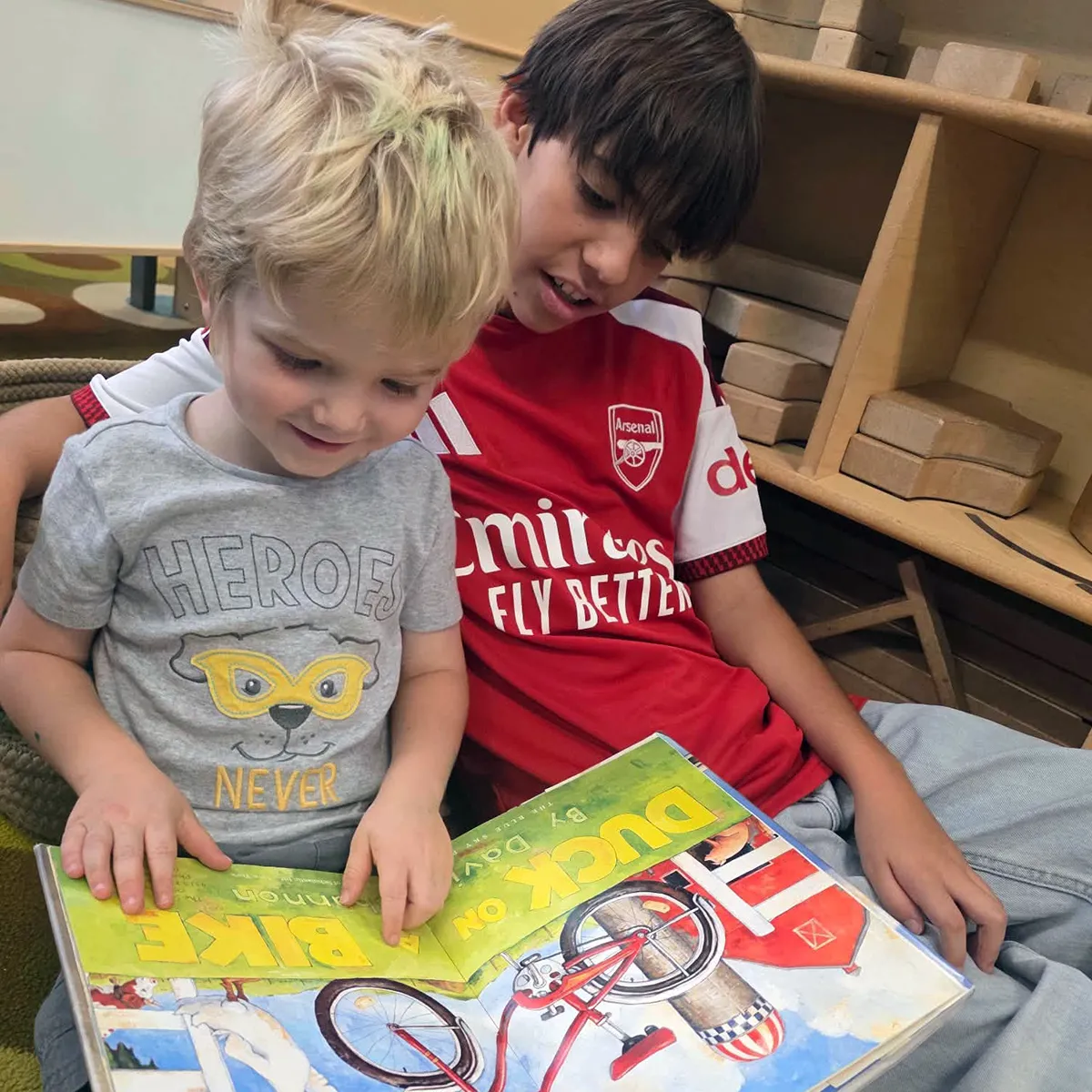
One school. Every stage.
Strong foundations. Deeper thinking. Growing independence.
What students need from school changes as they grow. The principles behind a Summit education do not.
Students are known as individuals, challenged appropriately, and given meaningful opportunities to question, create, collaborate, communicate, and apply what they learn.
In the early years, learning grows through play, exploration, and relationships. In elementary school, students investigate larger questions, make connections, and communicate their thinking. By middle school, they take on increasingly complex work, pursue individual interests, and assume greater ownership of their learning.
The experience evolves with the student while the relationships, expectations, and sense of belonging remain.
Individualized learning
Assessment, observation, flexible grouping, and strong student-teacher relationships help educators understand what each child needs next.
Rigorous academics
Standards-driven instruction develops strong foundations in reading, writing, mathematics, science, and critical thinking.
Learning by doing
Projects, investigations, experiments, thematic learning, and real-world applications make learning meaningful.
Whole-child growth
Confidence, character, creativity, relationships, communication, and emotional growth develop alongside academics.
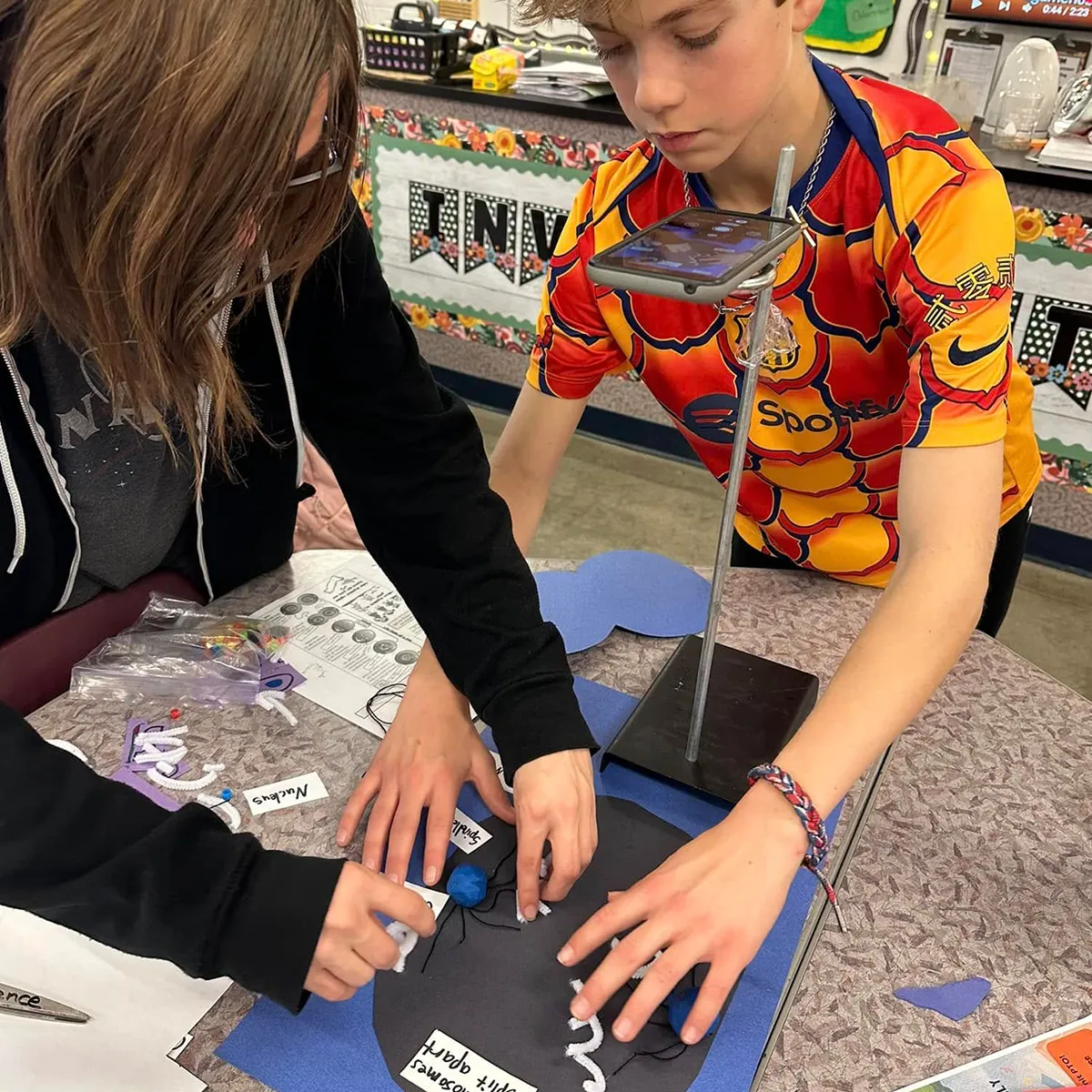
Learning with purpose.
From questions to meaningful work.
Learning to think, create, and communicate.
Academic knowledge matters. Summit students also learn how to question, investigate, solve problems, communicate ideas, collaborate with others, and apply learning in new situations.
Across grade levels, learning increasingly moves through a process students come to recognize:
Ask
Investigate
Collaborate
Create
Present
The complexity changes as students grow.
A preschool student may investigate through observation, conversation, building, and play. An elementary student may research a question and create a project that connects several subjects. A middle school student may analyze evidence, develop an argument, collaborate on a complex problem, or pursue an extended area of inquiry.
By eighth grade, those skills come together through ROPES (Rite of Passage Experiences), Summit's culminating middle school capstone experience involving student-selected inquiry, academic research and writing, mentorship, and public presentation.
The goal is not simply for students to remember what they learned.
It is for them to understand it, explain it, apply it, and build upon it.
More to discover.
More ways to find what they love.
Students sometimes discover their greatest strengths in unexpected places.
That is why a Summit education extends beyond reading, writing, mathematics, science, and social studies. Students encounter a broad range of experiences that allow them to create, perform, design, build, compete, communicate, move, lead, and explore.
Opportunities grow and evolve as students do.
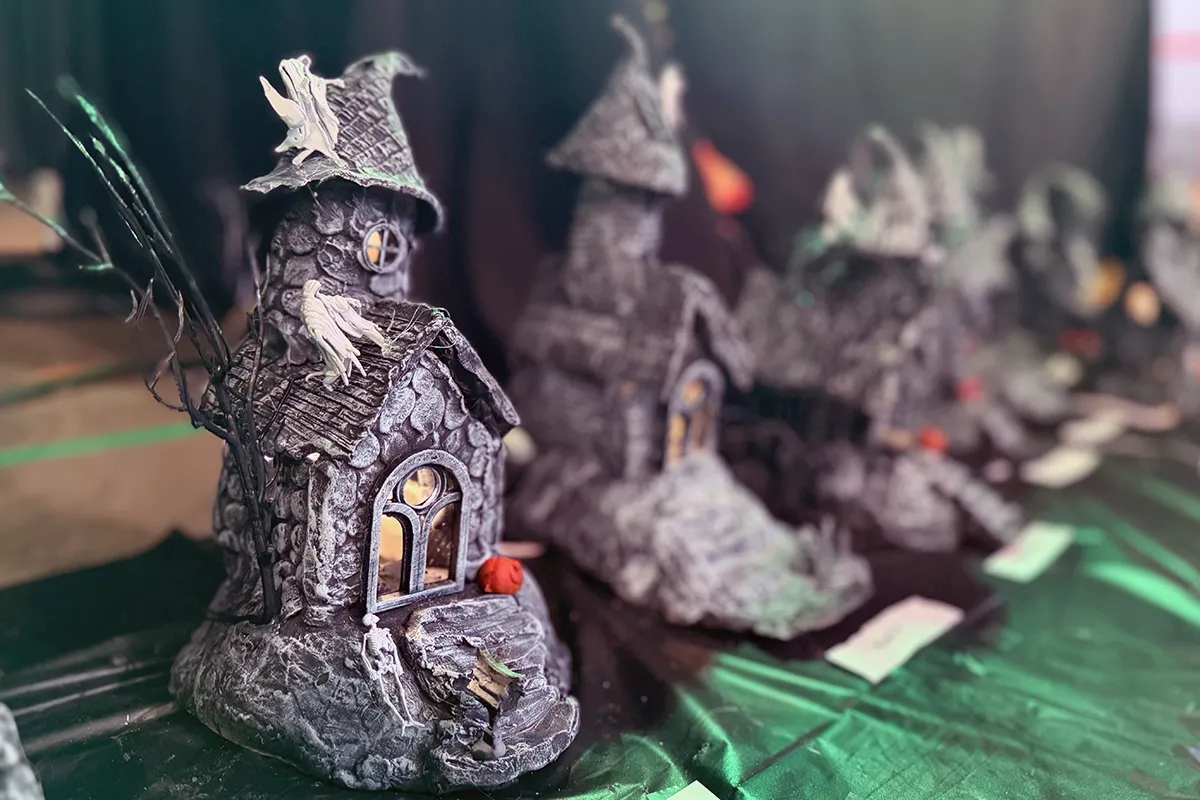
Art and creativity
Visual art, music, performance, design, and creative experiences give students opportunities to express ideas, develop talents, and create.
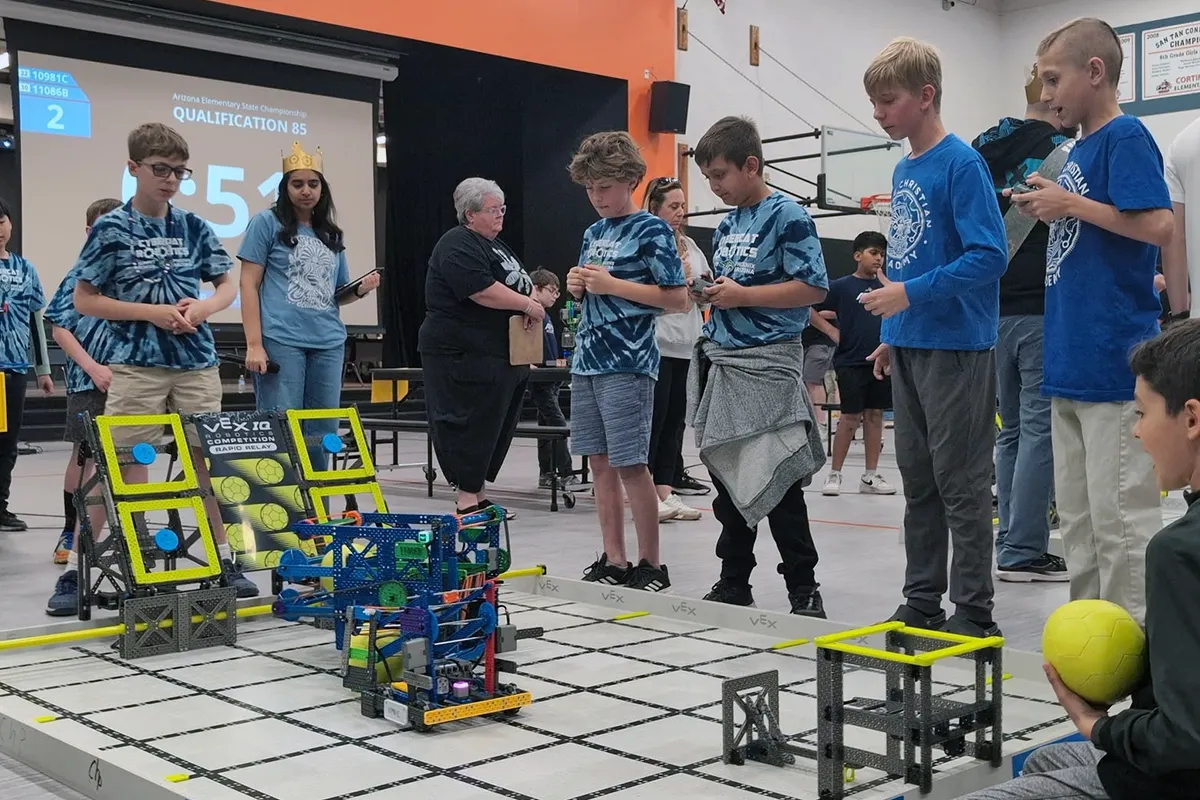
Science and technology
Science, STEM, technology, coding, robotics, engineering, and design encourage students to investigate, experiment, build, and solve problems.
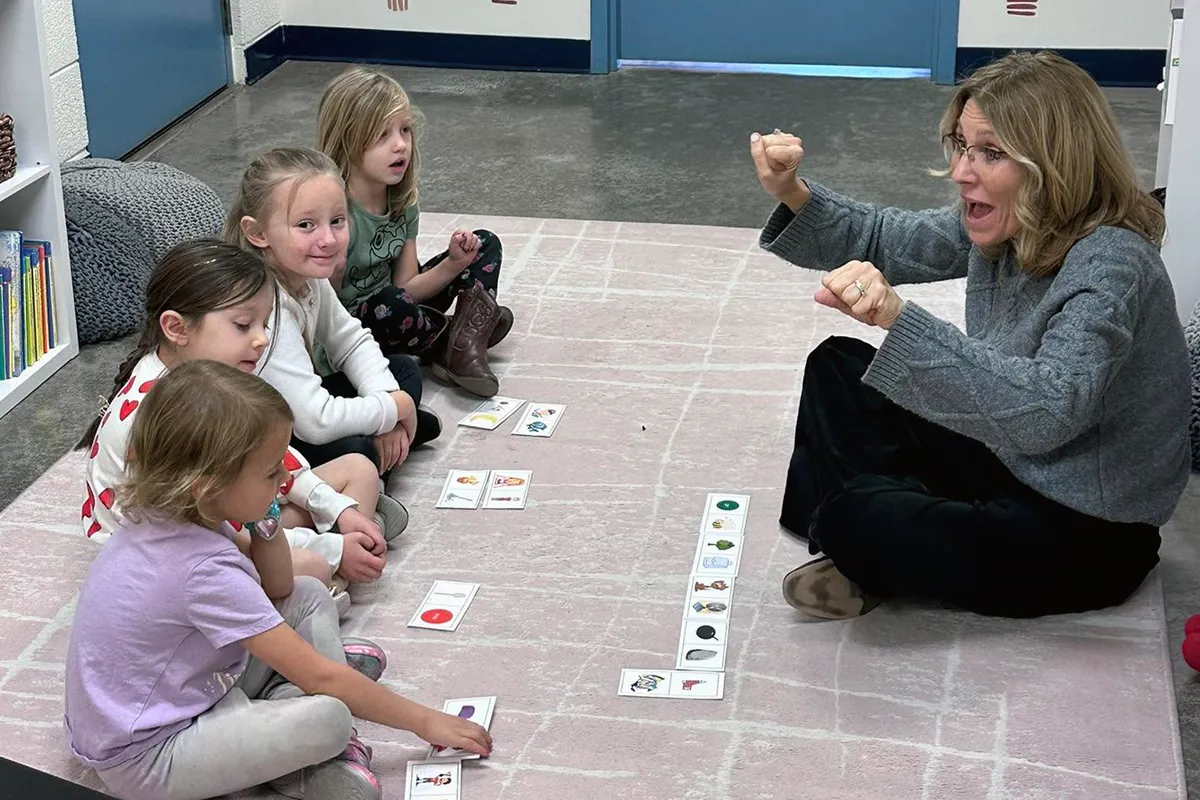
Language and communication
Spanish, literature, writing, research, discussion, and presentation strengthen students’ ability to understand ideas and communicate with confidence.
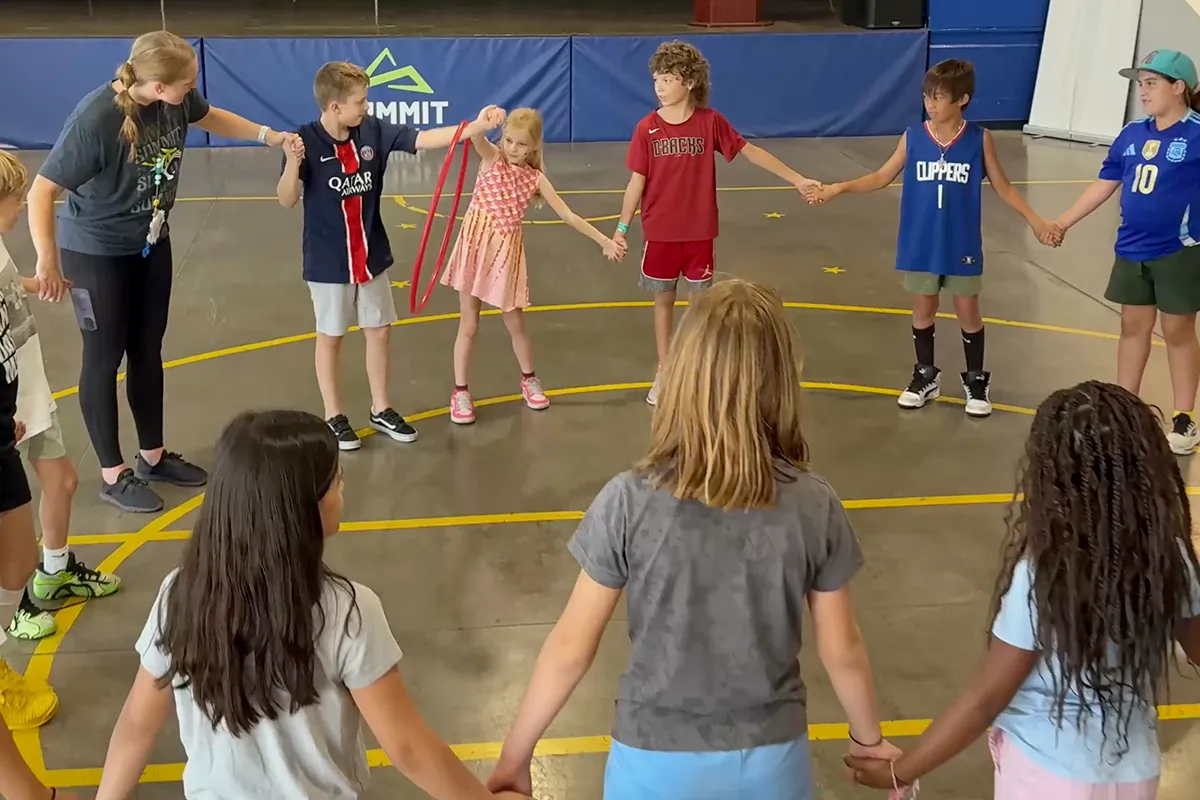
Movement and athletics
Physical education, enrichment activities, and competitive athletics develop fitness, teamwork, resilience, sportsmanship, and confidence.
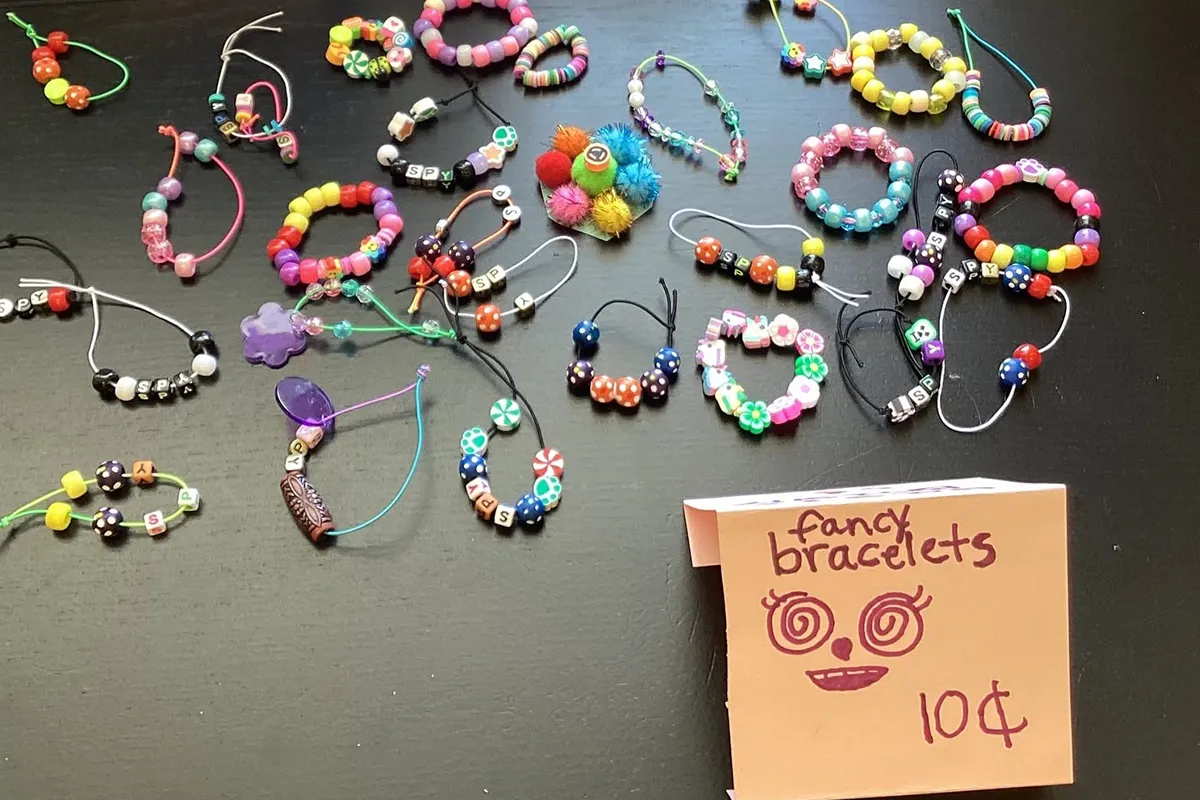
Exploration and enrichment
Specialist classes and evolving enrichment opportunities give students new ways to explore interests, try something different, and discover strengths.
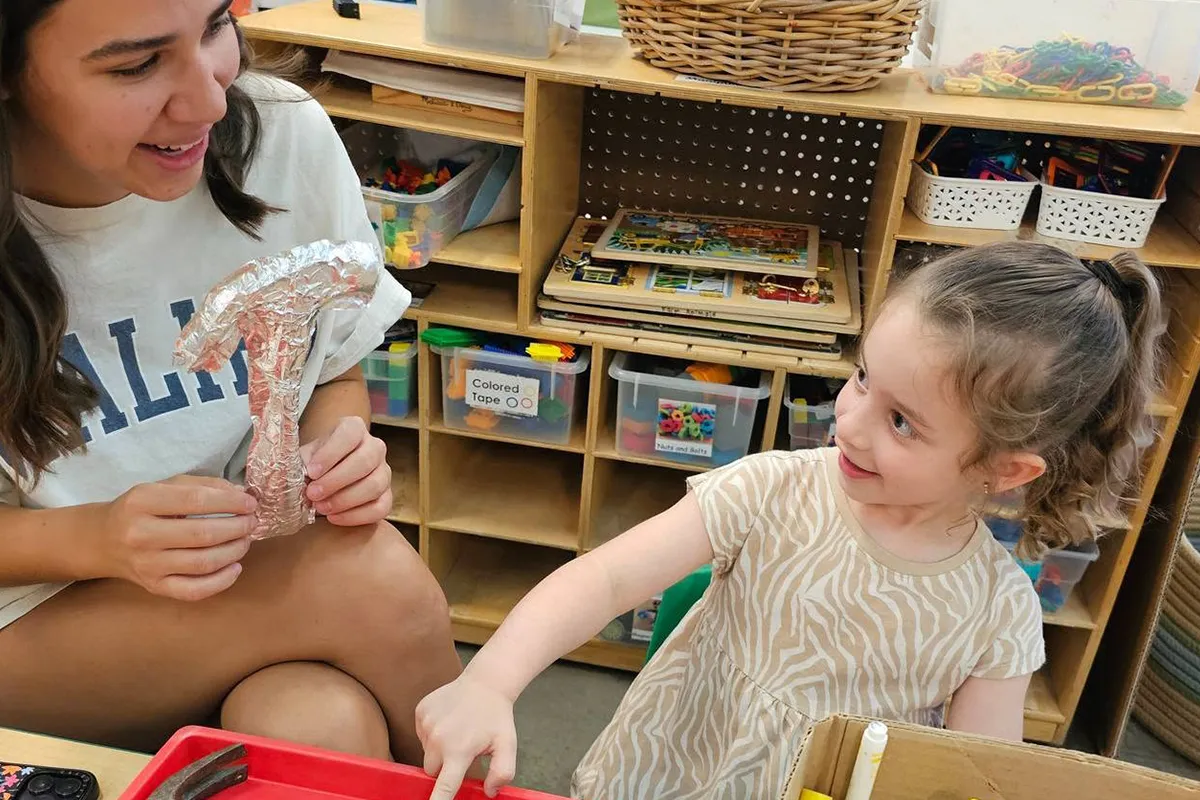
Leadership and service
Mentorship, service, student leadership, and community involvement give students increasing opportunities to contribute, take responsibility, and lead.
Every child has a different starting point.
We use data to understand students, not define them.
The most useful assessment answers a simple question:
What does this student need next?
Summit teachers use multiple measures to understand student growth, identify areas that need additional support, recognize readiness for greater challenge, and adjust learning experiences accordingly.
Assess
Multiple measures give us a complete picture.
Understand
We look beyond scores to understand each student’s needs.
Differentiate
Instruction adapts to meet students where they are.
Support or challenge
Students receive the right level of support and opportunity.
Measure growth
We track progress and adjust as students grow.
The purpose is not testing for testing’s sake. Assessment, observation, student work, classroom performance, and strong teacher-student relationships help educators make better decisions for the students in front of them.
Assessment across the years.
Different ages. Different tools. The same purpose.
Preschool
Observation and developmental progress.
Assessment happens through everyday observation — how each child communicates, plays, solves problems, and engages with others — helping teachers support growth across academic, social-emotional, and physical development.
Elementary school
Benchmarks, classroom evidence, and standardized measures.
Teachers combine daily classroom evidence with standardized tools — DIBELS and M-Class Math in kindergarten through second grade, NWEA MAP from third grade on — to identify strengths, target support, and recognize readiness for greater challenge.
Middle school
Academic progress, readiness, and individualized pathways.
Academic assessments, classroom performance, and demonstrated readiness — including data gathered as early as fifth grade — inform placement into the math course that fits each student, from grade-level instruction through Algebra, Geometry, and beyond. Students increasingly use this feedback to take ownership of their own progress.
Assessment at Summit isn’t about a test score.
It’s about understanding what each student needs to keep growing.
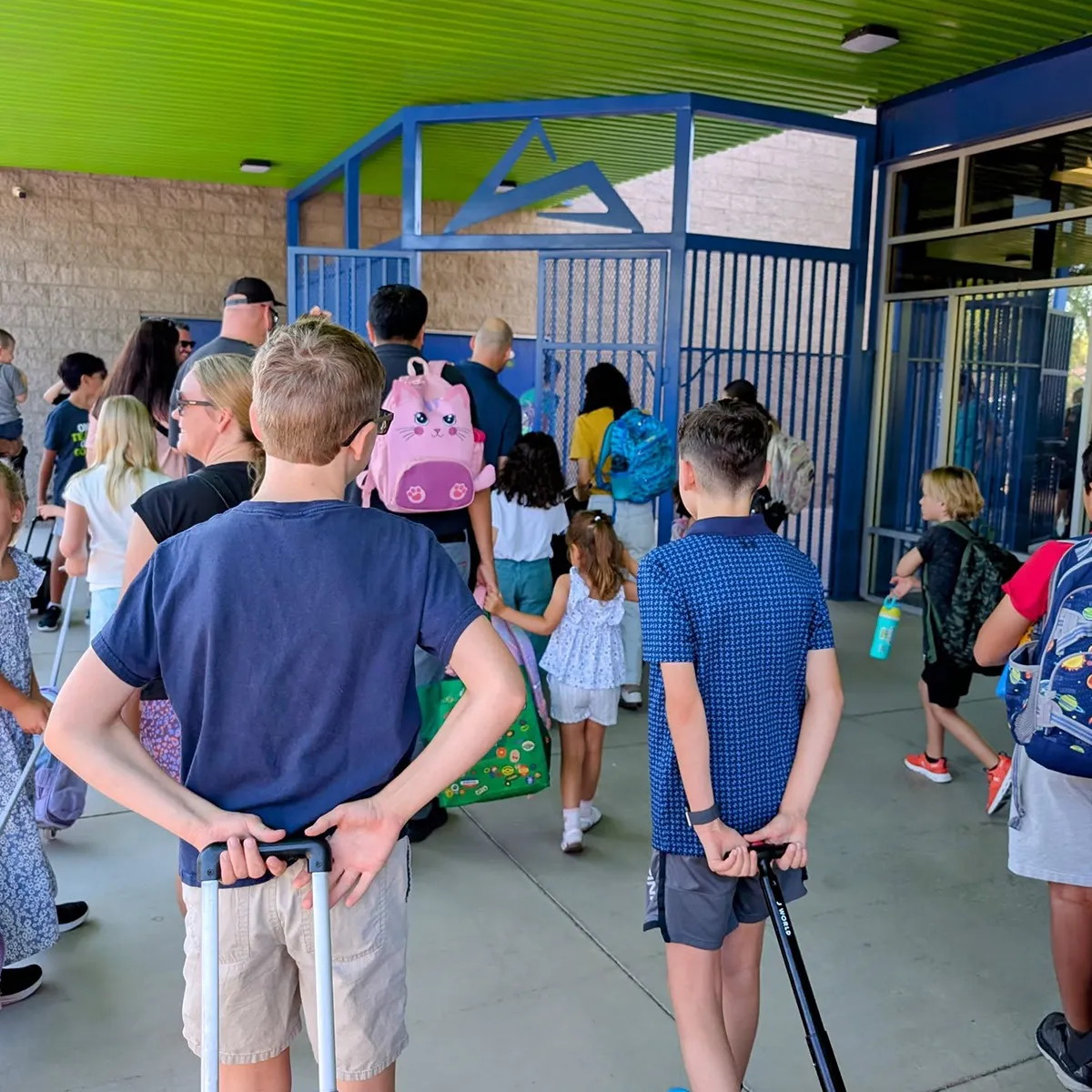
One connected community
Growing up at Summit.
A Preschool–8th Grade community in Ahwatukee gives students opportunities to grow through different stages of childhood without losing the relationships and sense of belonging that help them thrive.
What changes is their role within that community.
Preschoolers begin by learning from older students and becoming familiar with teachers, traditions, and experiences across campus. As elementary students, they gain confidence and responsibility, gradually becoming the role models younger children look up to. By middle school, students have meaningful opportunities to mentor, lead, serve, compete, and contribute to the school around them.
The relationships continue. The expectations grow. The student’s role evolves.
And that experience isn’t limited to children who begin at Summit in preschool. Students can join Summit at any grade and become part of a close-knit community where they are known, supported, challenged, and encouraged to contribute.
Learn from others
Grow In Confidence
Lead And Contribute
A school day with more in it.
More ways to discover what they love.
A well-rounded education isn’t something Summit students have to wait until middle school to experience.
Elementary students learn with specialist educators across a broad range of disciplines that complement core academics and give children opportunities to discover new interests, develop talents, and build confidence.
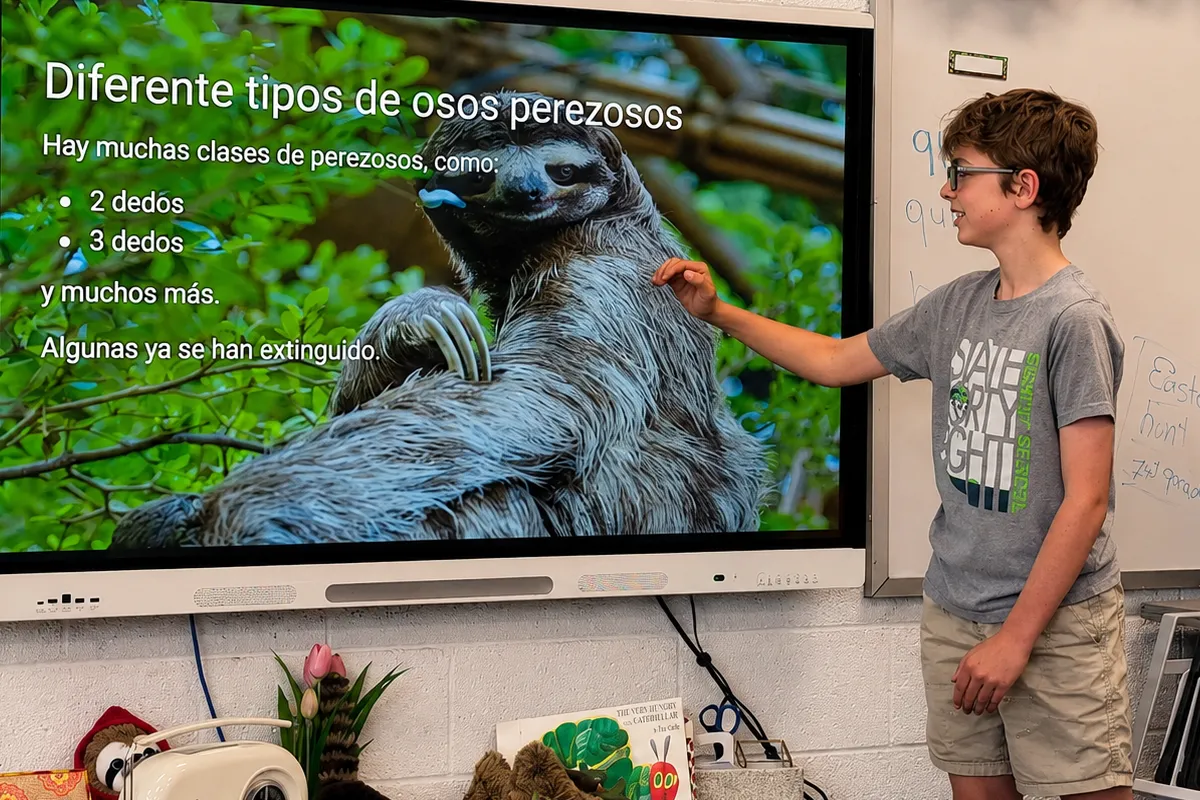
Spanish
Language, conversation, listening, and cultural exploration.
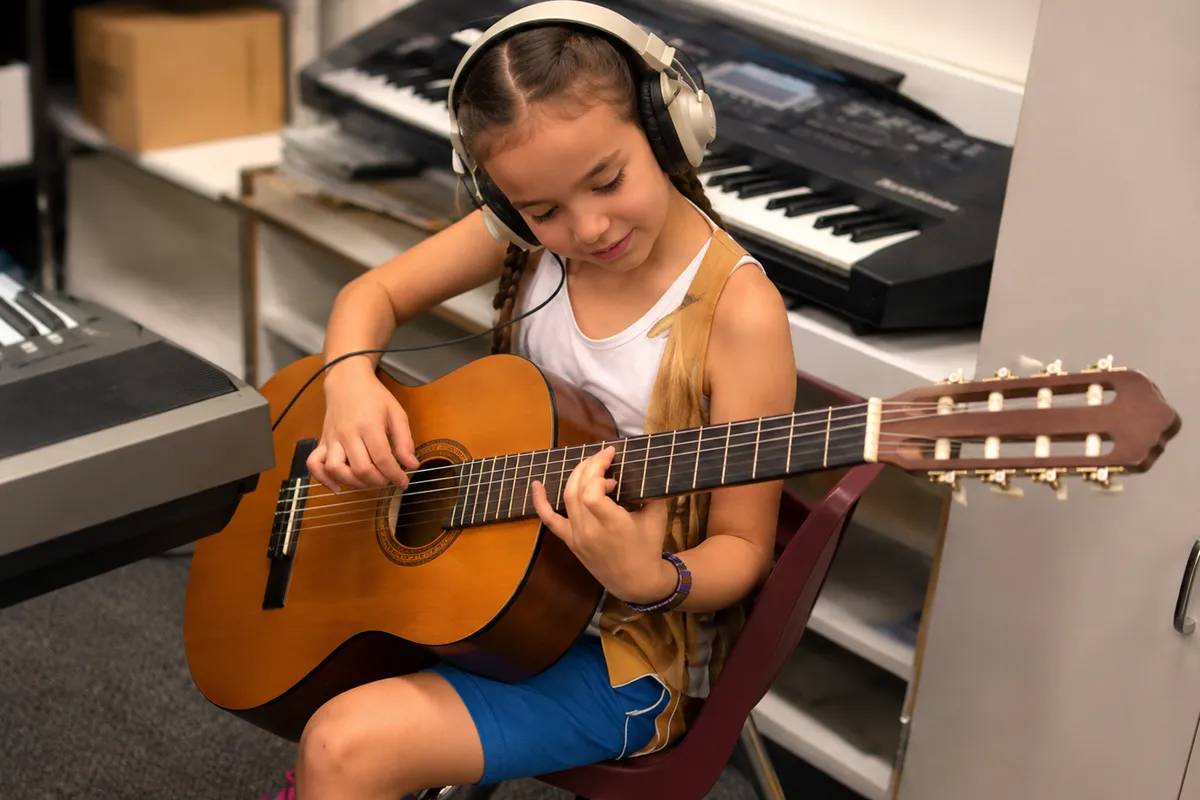
Suzuki guitar
Technique, rhythm, listening, focus, perseverance, and musicality.
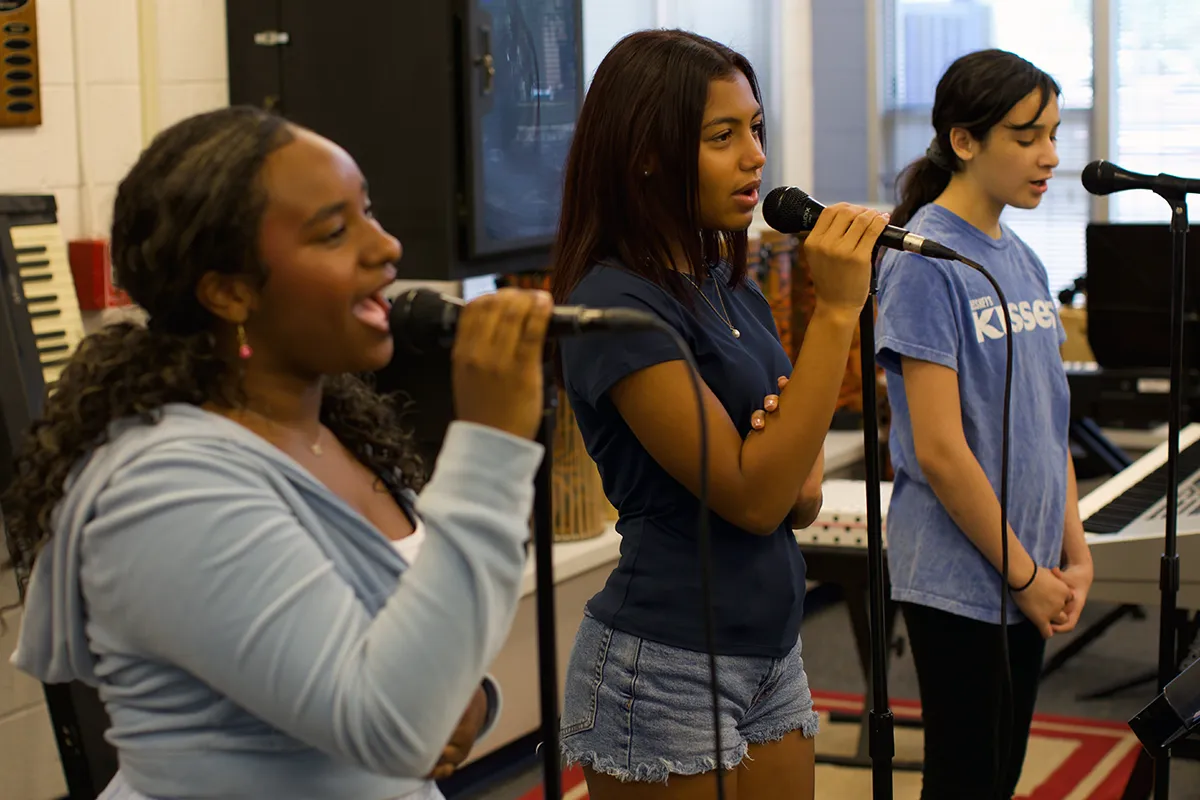
Music
Singing, instruments, rhythm, melody, movement, and performance.
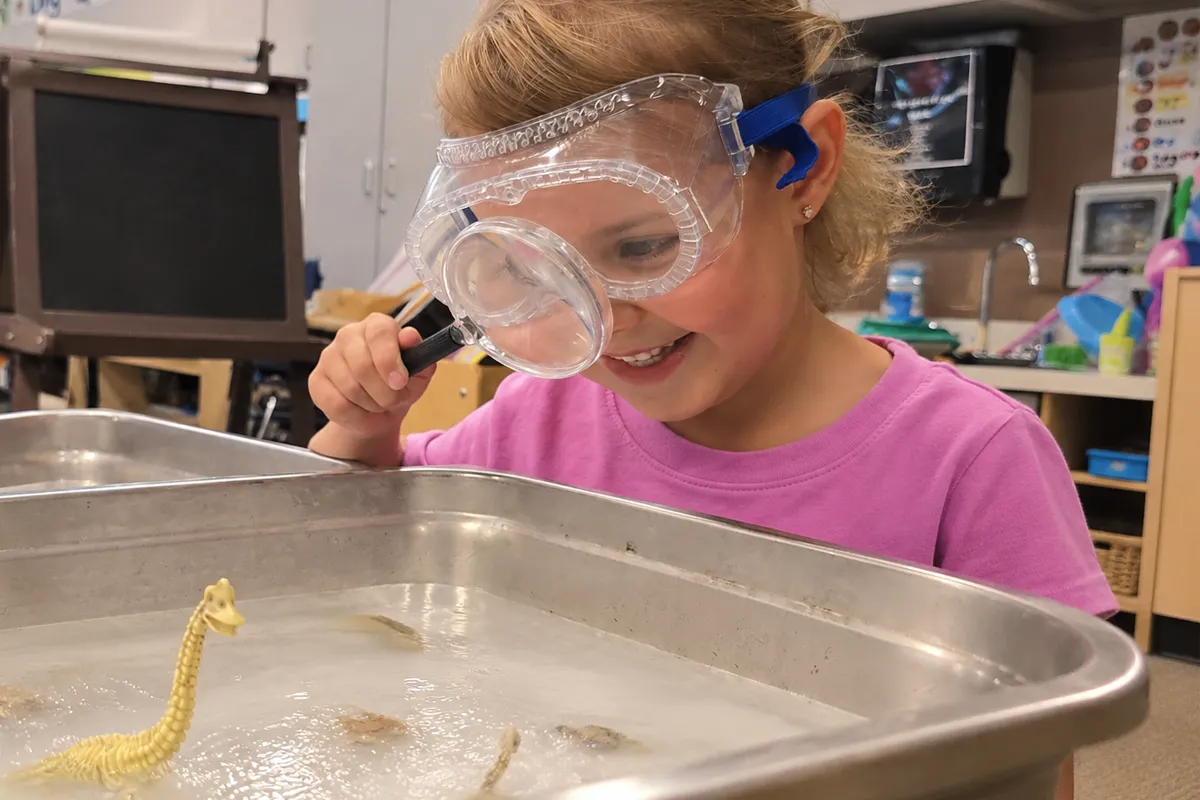
Science
Experiments, inquiry, STEM challenges, observation, and discovery.
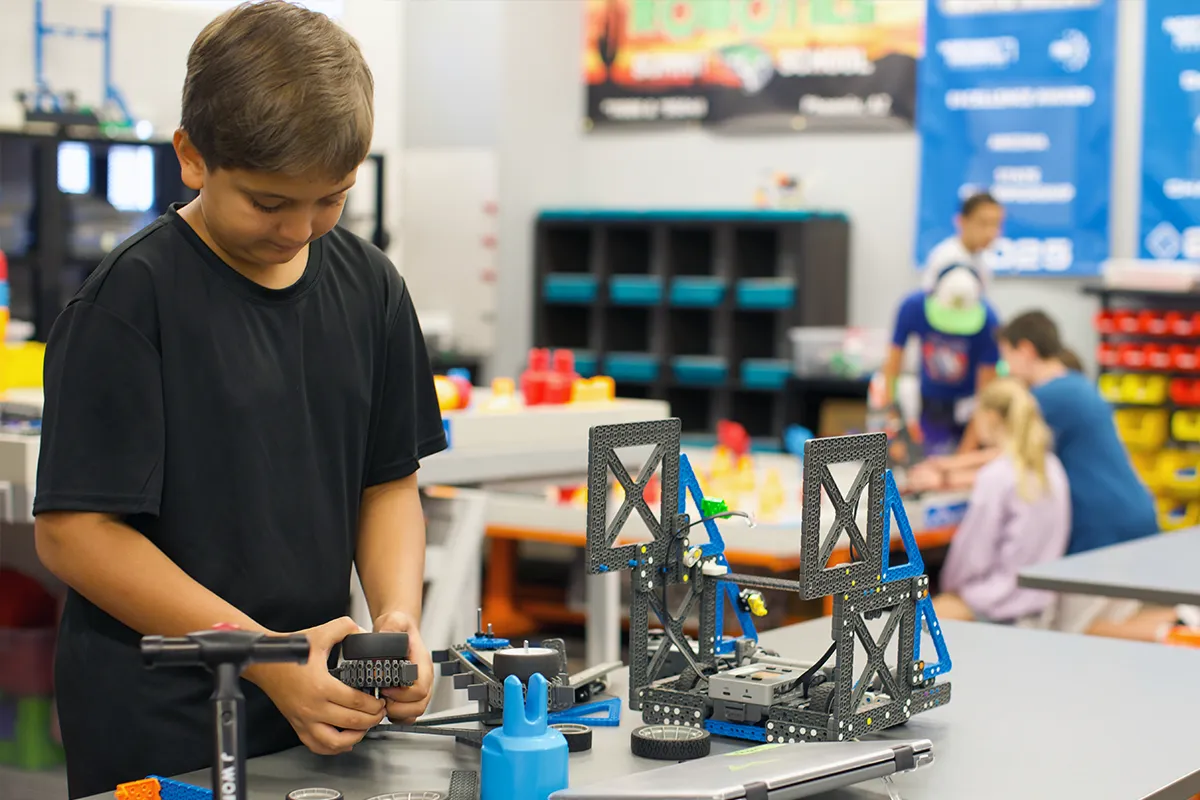
Technology
Coding, computers, digital tools, computational thinking, and 3-D design.
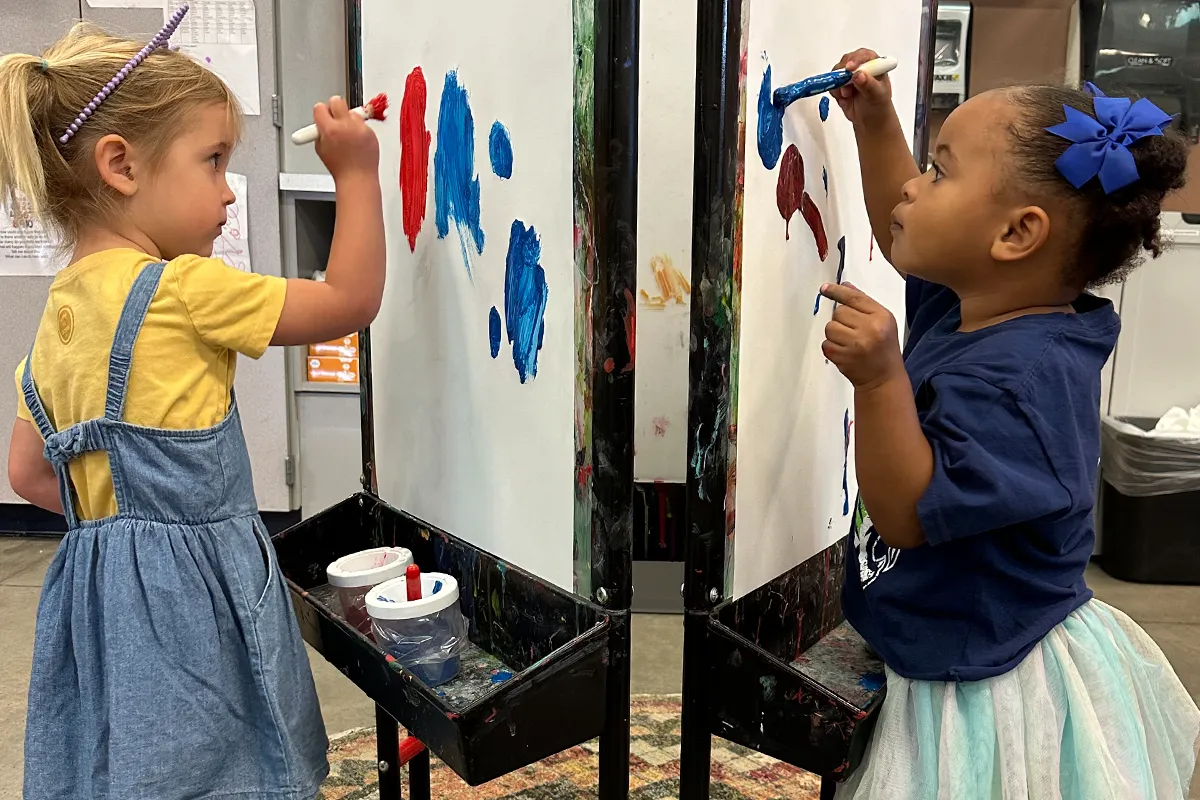
Art
Drawing, painting, sculpture, mixed media, creativity, and self-expression.
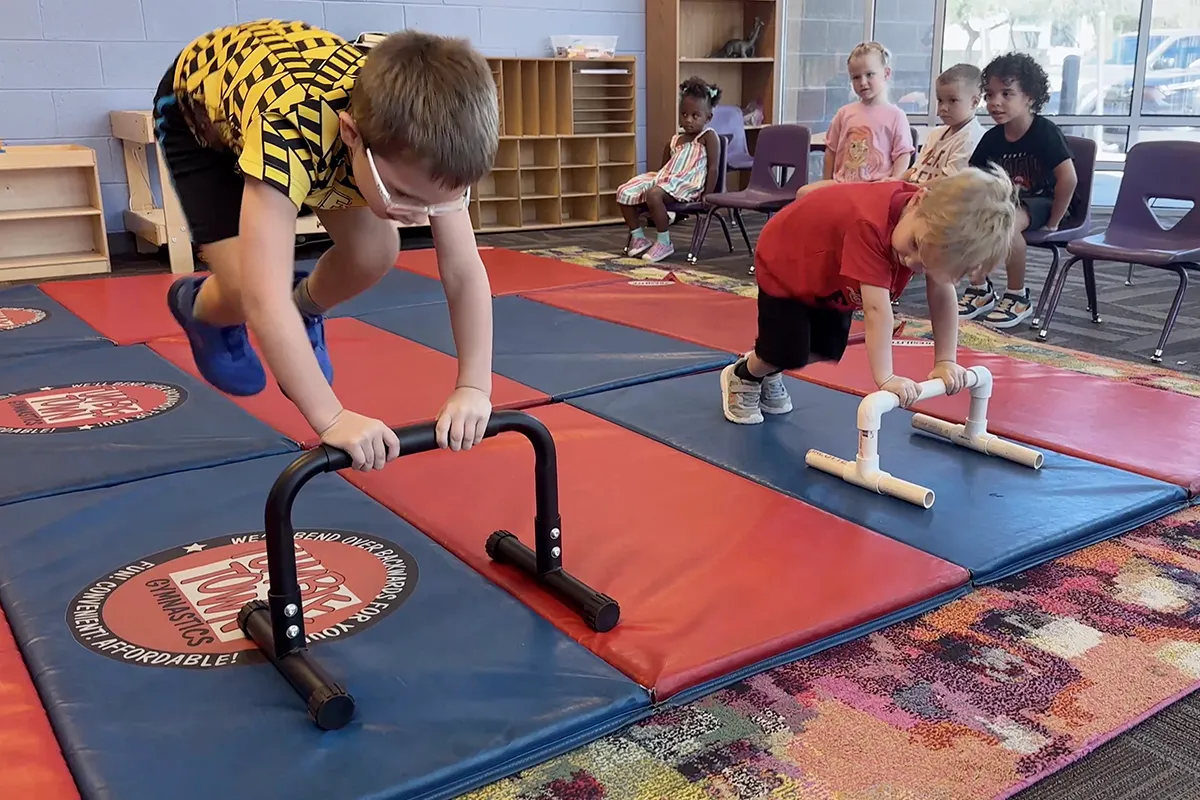
Physical education
Movement, fitness, coordination, teamwork, and sportsmanship.
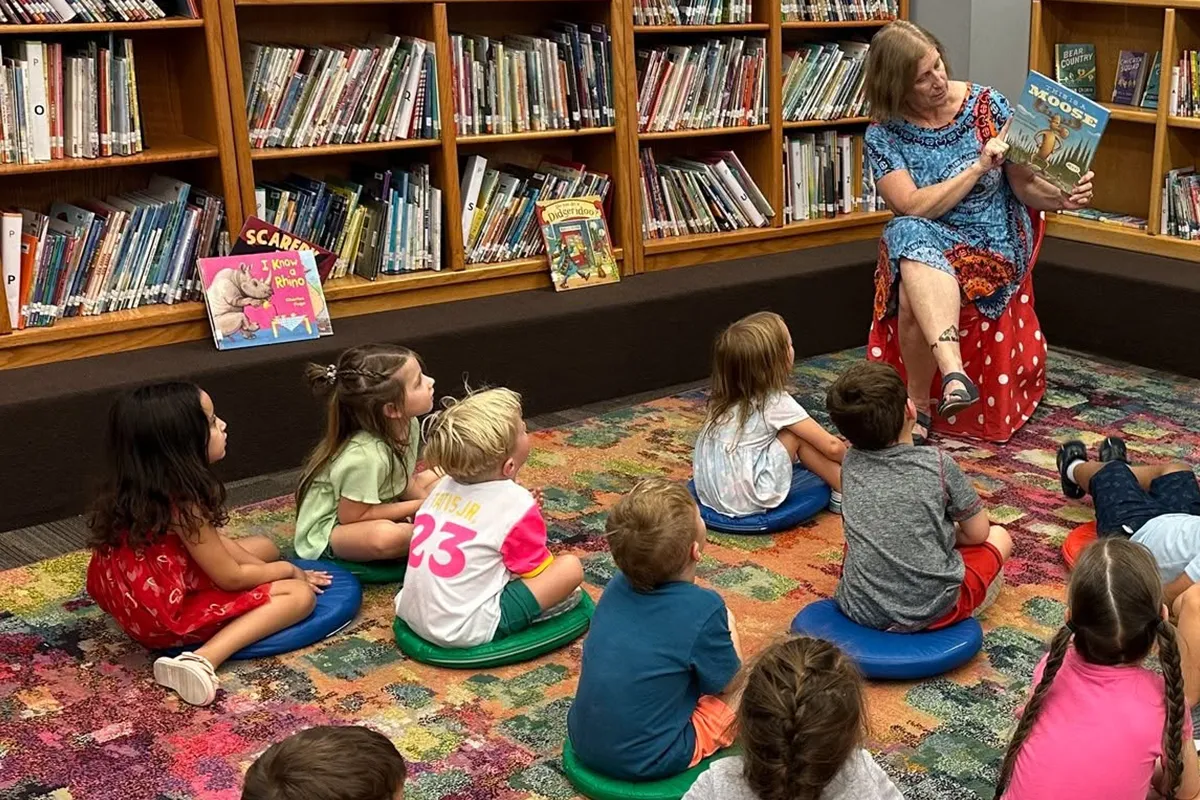
Library
Literature, research skills, book discovery, and independent reading.
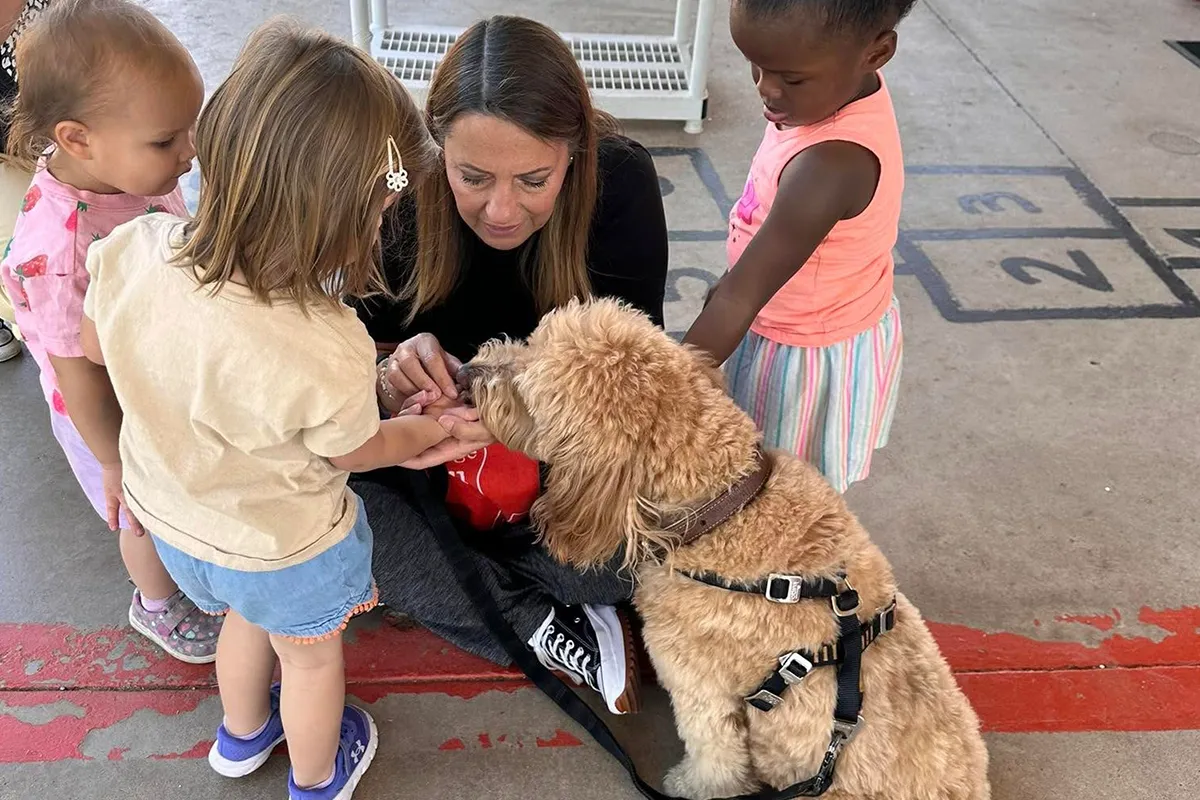
Social-emotional learning
Self-awareness, emotional regulation, empathy, relationships, and responsible decision-making.
Finding their voice.
Confidence grows through practice.
Throughout the elementary years, students have opportunities to present their learning during Morning Meetings, classroom projects, and culminating experiences.
They share projects, explain ideas, reflect on experiences, and celebrate what they’ve learned in front of peers, educators, families, and the broader Summit community.
With each experience, students practice organizing their thoughts, communicating clearly, engaging an audience, and becoming more comfortable sharing their ideas.
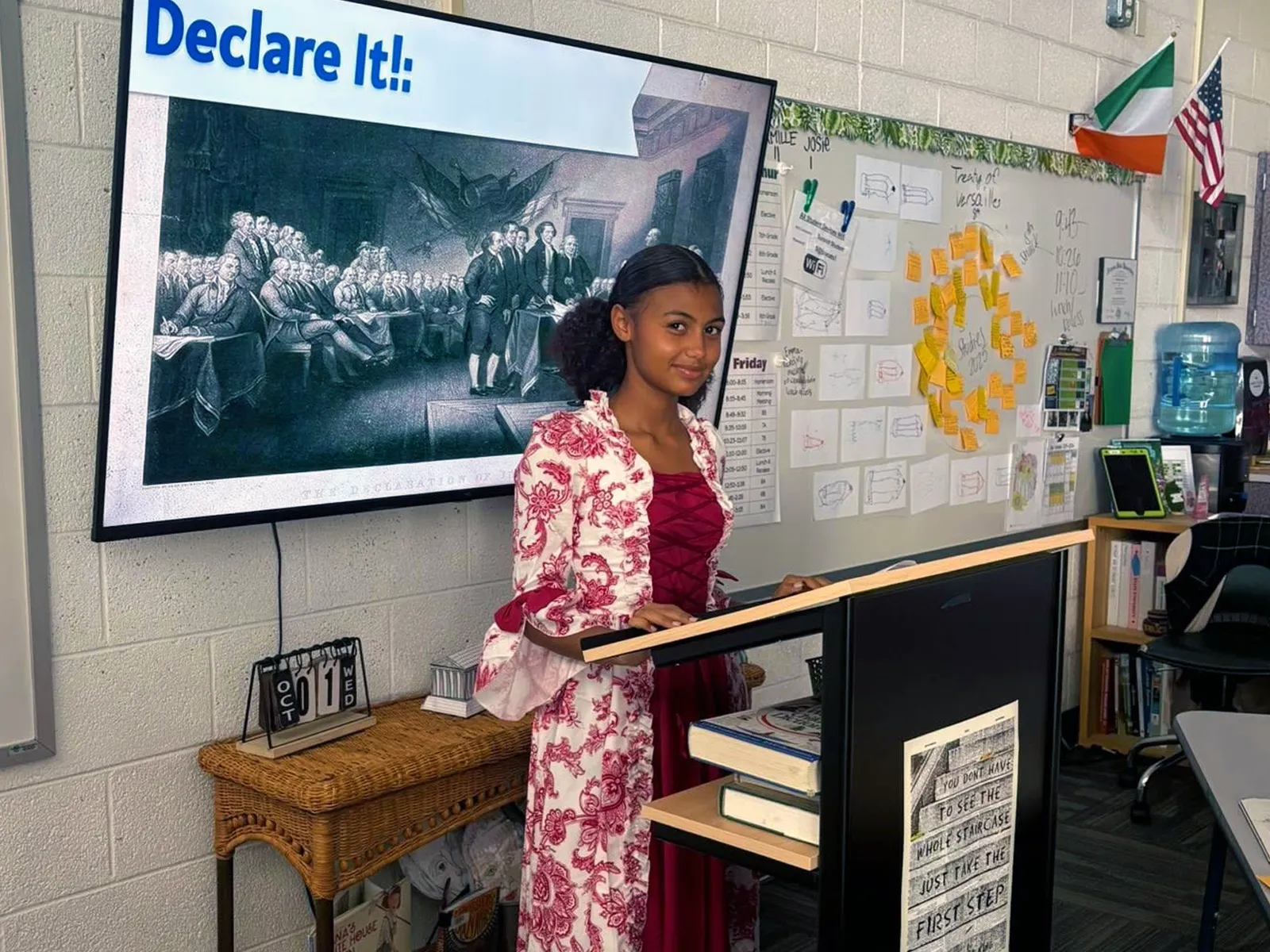
By the time public speaking really matters, it isn’t new.
Who they become matters too.
Positive. Engaged. Accountable. Kind.
Academic growth is only part of preparing students for what comes next.
Summit's PEAK to Achieve framework provides shared expectations across the school community and helps students develop habits that support learning, relationships, leadership, and increasing independence.
Positive
Recognize strengths, approach challenges constructively, and contribute to a supportive environment.
Engaged
Participate actively, ask questions, contribute ideas, and take ownership of learning.
Accountable
Take responsibility for choices, actions, commitments, and learning.
Kind
Practice empathy, respect, compassion, and care for others.
What these expectations look like changes with age.
Young children begin learning how to communicate needs, navigate relationships, make choices, and participate in a community. Elementary students take increasing responsibility for their work, behavior, and contributions. Middle school students manage greater independence, communicate with teachers, organize their time, collaborate with peers, lead, serve, and take ownership of increasingly complex work.
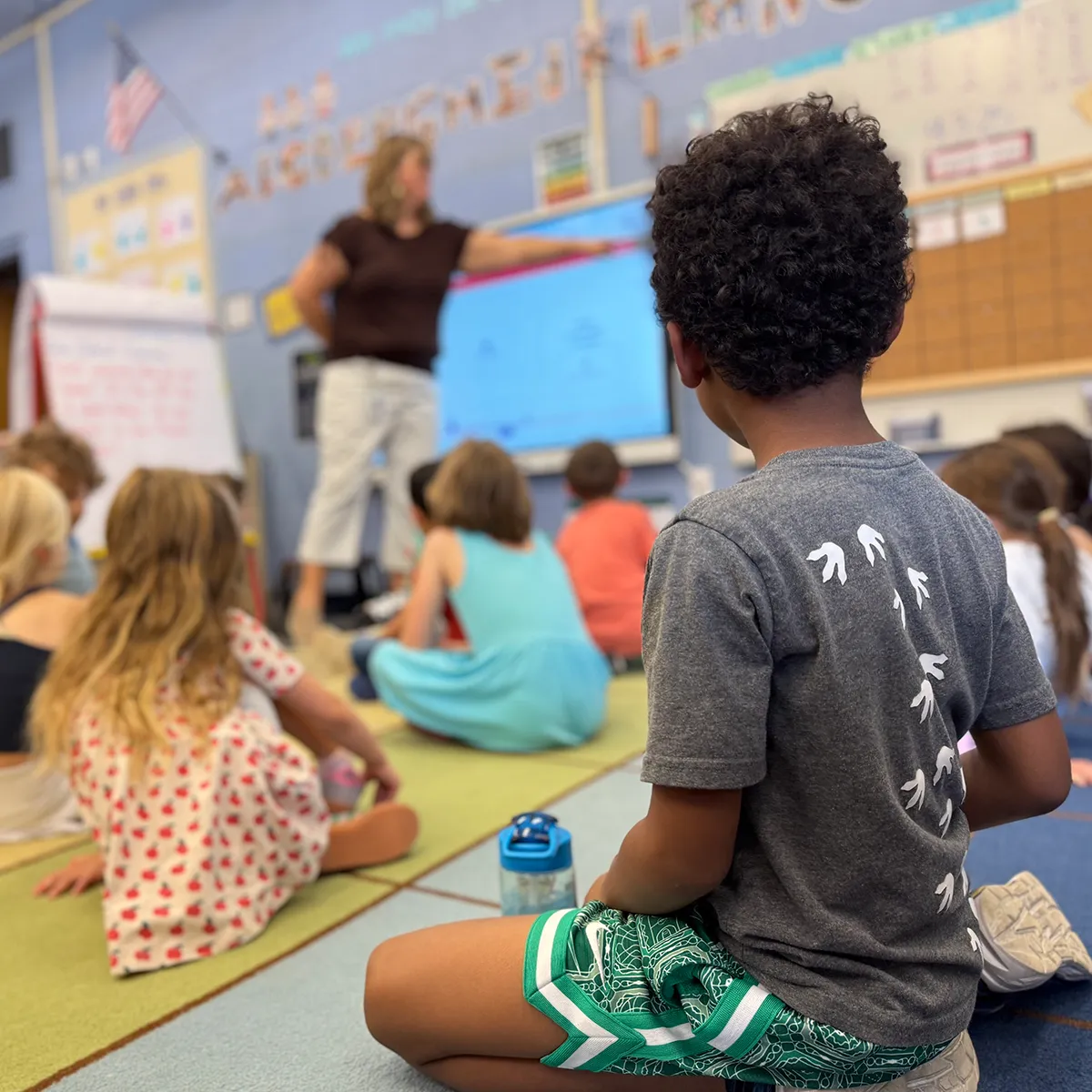
The Summit journey.
The goal is bigger than the next grade.
From preschool through eighth grade, students are gradually asked to do more for themselves.
They learn to ask questions. Explain their thinking. Work through challenges. Communicate what they need. Make choices. Collaborate. Create. Present. Lead. Serve. Reflect. Revise. Try again.
By the end of eighth grade, the goal is not simply a student who has completed the academic requirements for high school.
It is a student prepared to think independently, communicate effectively, manage greater responsibility, contribute meaningfully, and take ownership of what comes next.
Curious
Confident
Capable
Independent
Hear from Summit families.
Why families choose Summit.
Accredited for Excellence.

National Early Learning Accreditation

Global School Accreditation

Arizona Quality-Rated Program
Common questions
Questions families ask about Summit.
What grades does Summit School serve?
Summit is a Preschool through 8th grade school in Ahwatukee, with three divisions: Preschool, Elementary (Kindergarten–5th grade), and Middle School (grades 6–8).
Is Summit accredited?
Yes. Summit's Kindergarten–8th grade program is Cognia accredited, and Summit's preschool is NAEYC accredited and a Quality First rated program through Arizona's early childhood quality system.
Can my child start at Summit at any grade level, or does it need to begin in preschool?
Students can join Summit at any point — preschool, elementary, or middle school — and become part of the community at any stage.
How does Summit support students who need additional help or more challenge?
Teachers use multiple measures — assessment data, classroom evidence, and teacher observation — to identify each student's needs and adjust support or challenge accordingly, from individualized instruction in the early grades through placement decisions like Summit's math course sequence in the upper grades.
How much is tuition and Is financial assistance available?
Tuition is established annually. Summit also offers need-based tuition assistance.
Visit our Tuition & Affordability page for current tuition, fees, payment options, and available financial resources, or contact Admissions for assistance.
See where your child's journey could lead.
Every Summit student has a different starting point, different strengths, and a different path forward.
Come see how small classes, experienced educators, individualized learning, hands-on experiences, and a connected Preschool–8th Grade community in Ahwatukee create an education designed to grow with them.
Questions about tuition? Explore tuition & affordability.